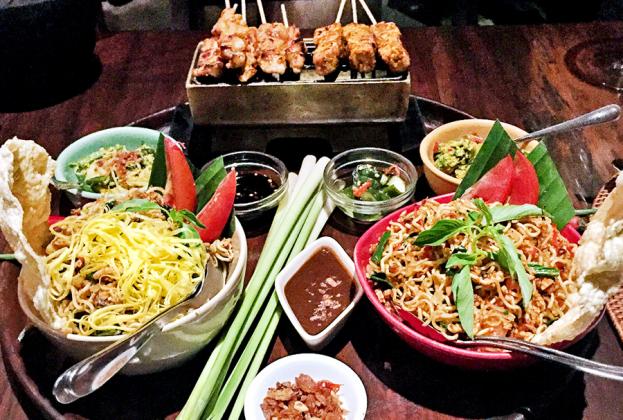
The Wonderful Foods of Ubud
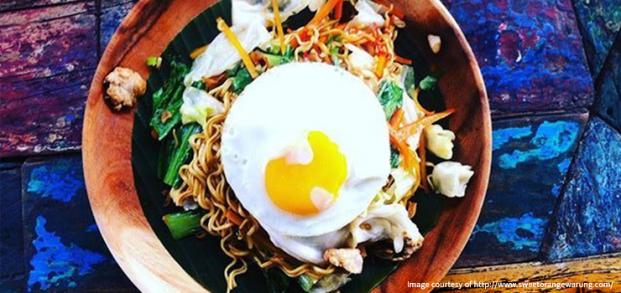
Bali is renowned for offering visitors a wide spectrum of unique options. Whether you are a beach bum (more on Beaches of Bali), outdoor enthusiast, or simply, a luxury traveler looking for a piece of paradise. These are what make Bali, and in particular, Ubud, such a sought-out destination. Now we can add FOOD to that growing list of options!
What is Balinese Cuisine?
Balinese cuisine is a tradition of Balinese people, family, and community. All meals are the central point of Balinese living. It’s the time when family and friends socialize and unite. Balinese food is also the focal point for many island major events, festivals and ceremonies. And like most worldly cuisines, Balinese dishes typically start from a traditional island recipe. However, these traditional recipes and techniques will shed some variances from village-to-village, family-to-family or person-to-person. Its rich indigenous traditions as well as influences from Indian and Chinese cuisine have come to-gether to create a distinct culinary tradition, local to Bali. The spicy mix, locally known as basa gede, which literally means “big spice mix”, lives up to its name. Basa gene forms the base for so many delicious Balinese dishes.
The Backbone of Balinese Cuisine
The main ingredients found in traditional Balinese fare consist of shallots, garlic, ken cur, turmeric, macadamia-like candle nut, chili, coriander, black peppercorn, Salam leaves (an Indonesian bay leaf), shrimp paste and sometimes fish sauce. Tabia lala manis, which is a rich, thin down version of soy sauce with chili peppers and the popular sambal matah are excellent condiments. The large variety of spices used could be due to the ancient Indian traders and their influence in Bali characterizing it as its own flavor and very distinct from the rest of Indonesian cuisines.
These blends of herbs and spices permeate the air! I highly recommend you take a late afternoon stroll around some of Ubud’s smaller suburban villages like Juwak Manis, Sakti or Nguyen Kuning as your senses will be tantalized by the mouthwatering aromas as local villagers and warungs (more on Eating at Warungs) begin preparing for their evening meals.
Traditional Balinese Dishes
No visit to Ubud is complete without indulging in the local fare. With so many wonderful dining options it’s pretty damn easy to find your next memorable meal just a stone’s throw away from wherever you stand. Many restaurants and warungs in Ubud will offer traditional or contemporary versions of these tasty Balinese dishes. And in this article, we’ll discuss the basics only and let you discover the many variations available throughout the village during your exploration.
BABI GULING
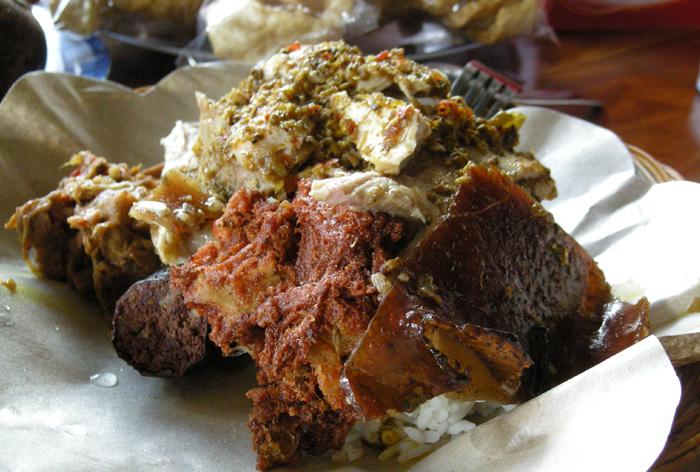
Image source: Rollan Budi
Babi Guling, translated as ‘suckling pig’, is one of the pre-eminent dishes of Bali.
In Ubud, the most famous warung for mouthwatering Babi Guling is a candid place called Ibu Oka. Babi Guling is prepared many hours in advanced as the uncooked pork is filled and mari-nated with a peppery concoction of turmeric, lemongrass, garlic and black pepper and then roasted on a spit over a wood burning fire until the skin is crispy and the meat is cooked to perfection. Babi Guling is often served with various condiments, spicy seasonings and fresh long bean salad that simply pop in your mouth.
Most of the restaurants offer a spicy minced pork which is served satay style, with several small chunks of pork flesh, a few pieces of crunchy fatty pork skin and some slices of crackling. The pork is tender, juicy, and imbued with garlic and ginger. The Balinese love this dish and it is a part of many local ceremonies. The juicy meat, combined with the assortment of flavors, is one the best things you’ll ever enjoy.
BEBEK BETUTU
You think Ubud is crowded with tourist? Than you’ll be astonished by the shear number of free range ducks roaming about in the surrounding rice fields of town. These ducks play a vital role in village life. Not only as a delicious food source, but these feathery little waddlers assist in maintaining and protecting the lifeline of Bali - the rice fields! Ducks are essential component in a healthy crop as they love to feed on unwanted insects, excess foliage, etc and more importantly they keep the soil rich in nutrients. True balance and harmony between nature and man. With that said, one of Ubud’s most popular dishes is bebek (duck) dishes.
Bebek Betutu is a classic Balinese ceremonial dish that is typically cooked over a dried coconut husk fueled barbecue . This flavorful and highly seasoned duck is one of the most commonly preferred dishes in Indonesia. The slow roasted banana leaf-wrapped duck has even become popular among tourists these days as you’ll see bebek on many local warung menus.
A well-prepared Bebek Betutu has plenty of duck breast which should be served juicy, tender and saturated with its natural jus. Accompanied with a spicy paste that lingers with the taste of lemongrass, ginger and turmeric. Delicious!
This Balinese specialty is traditionally wrapped in banana leaves and coconut bark, then cooked long and slow over dried coconut husk (or the Balinese barbecue). Don’t be surprised if the whole duck is served at the table with beak and wings still attached. It is usually served with a side dish of lawar, a sour mixture of green beans and other vegetables, assorted with shredded pork and some hot sauce. This native culinary treat will surely make your stay here in Ubud as delightful as the panoramic view of Bali’s volcano - Mt. Batur!
TEMPE/GADO GADO
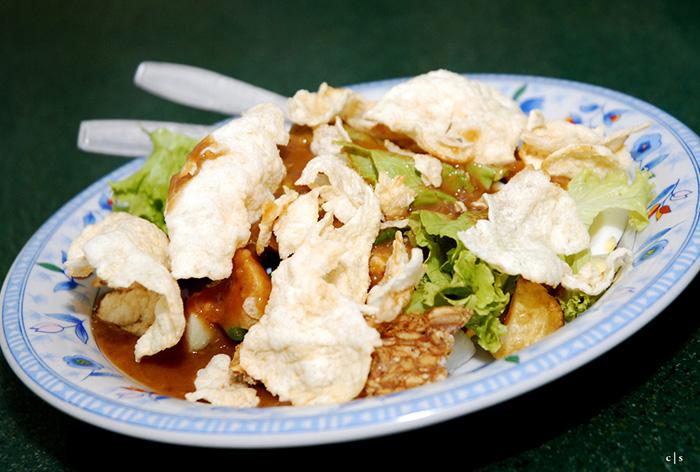
Image source: closari
OK so meat isn’t your forte, no worries, I can respect that as I too was a man of purely vegetarian options only. Nonetheless, with age and the need of a balanced diet, I’ve reverted back to my old carnivorous ways. However, if you're a vegetarian or simply craving a healthy vegetable dish, you’re in for a treat.
Gado Gado is one of Indonesia’s most famous dishes for one simple reason - it's delicious. If you would like to taste something new then this combination of sweet, piquant peanut ketchup with green vegetables and soft potatoes along with congealed rice is sure to give your taste buds some treats to relish.
There is no fixed way of making gado-gado. In fact, the word ‘gado-gado’ has another meaning in the Indonesian language - it is used for talking about things that are in ‘a bit of mix’. For ex-ample, if someone were to speak a mixture of Indonesian and English in one sentence, people would refer to it as ‘bahasa gado gado’ (gado-gado language).
In keeping with the spirit of gado-gado, except for the peanut sauce, tourists can expect to chew up different vegetables soaked up in sauce. The salad lends itself to creativity; nearly every com-bination of raw and cooked vegetables are served. This Indonesian salad of slightly boiled and steamed vegetables along with fried tofu served with a peanut sauce dressing is widely sold in almost every part of Indonesia, with each area having its own modifications. If there is such a thing as a national salad, gado-gado would be it.
SATAY
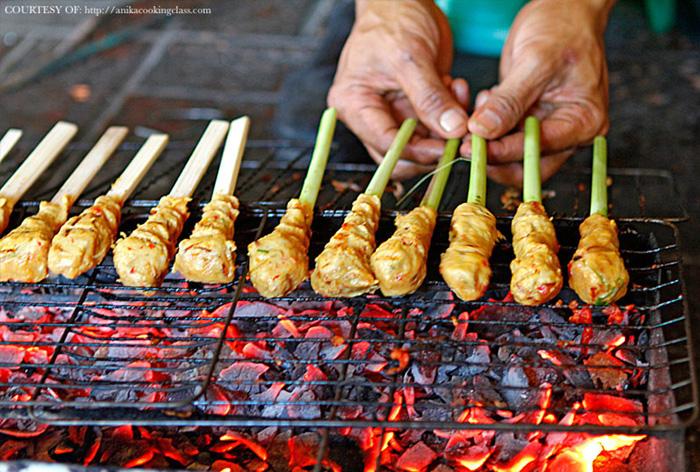
Image source: anika cooking class
Satay or sate in Indonesian spelling, is a dish of seasoned, skewed or grilled meat, usually served with traditional peanut sauce or Tabia lala manis. Lore has it that Indonesia is believed to be the birthplace of the beloved satay, but the dish is so popular in many other Southeast Asian coun-tries its roots are hard to trace that far back. Either way, a life in Bali without satays is like a Westerners life without a cheeseburger and no matter how you shake it, satays are downright de-licious!
Satay is a very popular delicacy in Indonesia. The meat is usually cut in thin strips and marinat-ed in herbs and spices, it is then skewered onto wooden sticks or lemongrass stalks and grilled over Balinese barbecue. Satays are widely available in Indonesia, where it has become a national dish. The country’s diverse culinary arts have produced a variety of satays. It is a staple in Indo-nesian cuisine, served everywhere from street cars to fine dining establishments, as well as festive times and public gatherings. Don’t leave Bali without savoring some satay.
Ubud is such a magical destination as she continues to embrace outside influences which ultimately morphs the village into a splendid melting pot of western/eastern philosophies, cultures, and cuisines. And now you too can benefit from the proverbial, “ideological cocktail” as Ubud, beyond it’s artsy core, is quickly becoming the culinary centerpiece of Bali. And deservedly so! For all you foodies out there, it’s time to strap on your Balinese feed bag and discover all the wonderful flavors of Ubud.