Hill Tribes in Chiang Mai
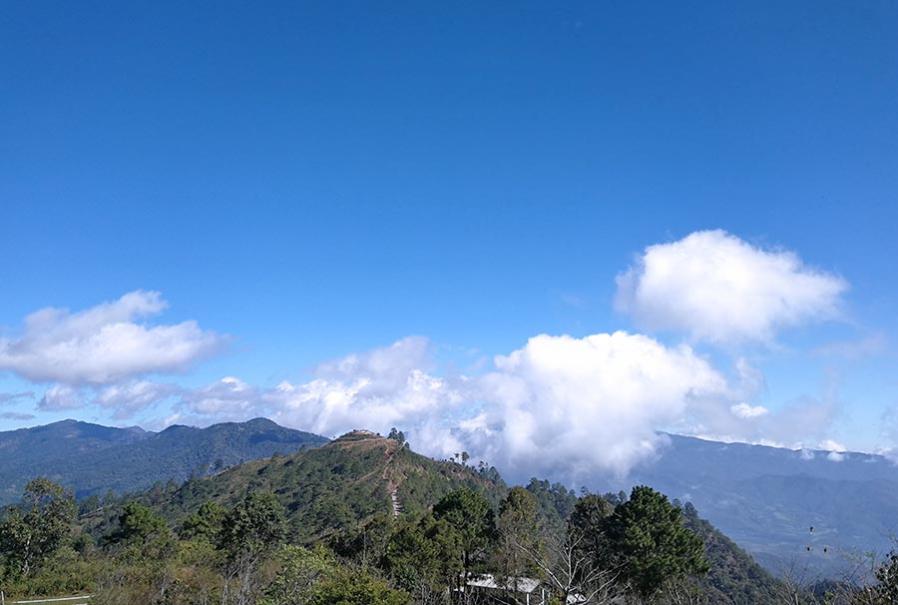
Chiang Mai is in the mountainous area of the northern part of Thailand which is also the home of Doi Inthanon; the highest mountain with the highest elevation in Thailand. For centuries, not only Doi Inthanon but also other hilly areas in Chiang Mai have been inhabited with the many different groups of hill tribes who had migrated from Yunan, Northern Burma, Laos or even Tibet.
The word ‘Hill tribes’(Chao Khao) in Thai literally means ‘Mountain people’. Thai people use the word ‘Hill Tribes’ to call people from all different ethnic groups who have been living in the highlands mainly in the northern and western parts of Thailand. Chiang Mai has been the home to most of the hill tribe people in Thailand. In 2010, it has been reported that there are 312,447 hill tribe people living in Chiang Mai Province. Each of the tribes has their own unique customs, culture and language. Even though there are at least 15 different Ethnic groups in Thailand but the Thai government only recognizes 9 groups; who can claim their rights in Thailand. Those 9 groups are Karen, Hmong, Mien (Yao), Lahu, Lisu, Akha, Lua, Khamu, and Thin.
If you are planning to visit Chiang Mai and would like to see the real lives of the hill tribe people, I‘d like to recommend four big communities of the hill tribes here; Karen, Long neck Karen, Hmong, and Palong. The reasons I’m recommending these four tribes are because of the large numbers of the people, the authenticity of the villages, and the accessibility to the villages either by yourselves or with tour companies.
1. Karen; The Karen has the highest population in Thailand when compared with other tribes. They were first living by the beginning of the Salween River, then migrated to Burma and to Thailand. The Karen hill tribe consisted of many subgroups and has different languages and religions. The two main subgroups of Karen in Chiang Mai are Sgaw and Pwo. Both groups of the Karen share the same the basic theme in cultures which is a desire for harmony. They try their best to avoid having conflicts with their neighbors, their environment and their guardian spirits of the village.
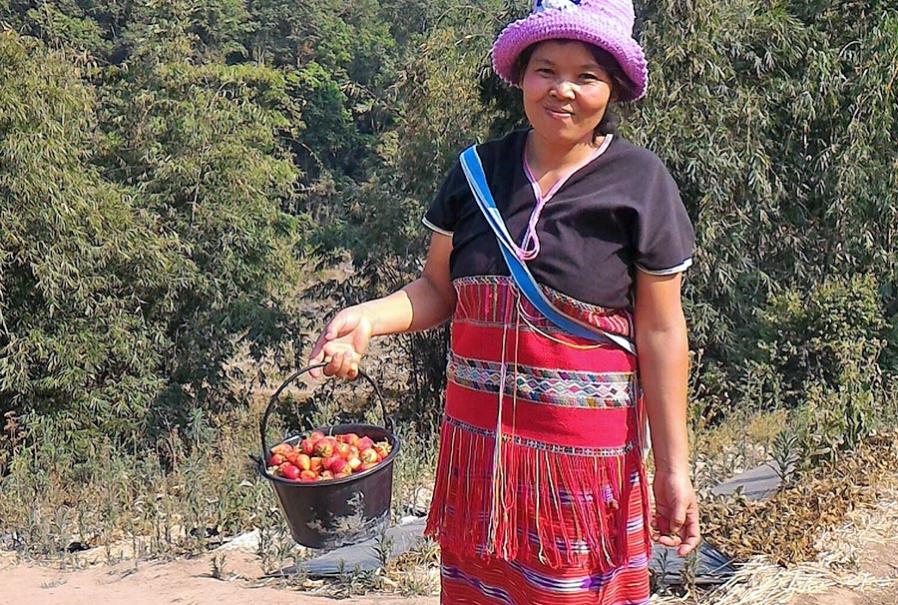
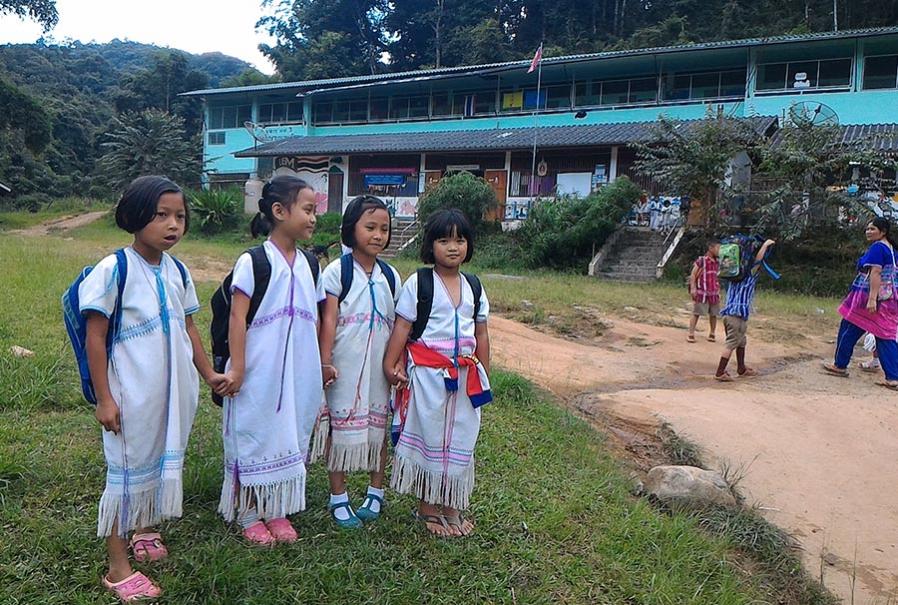
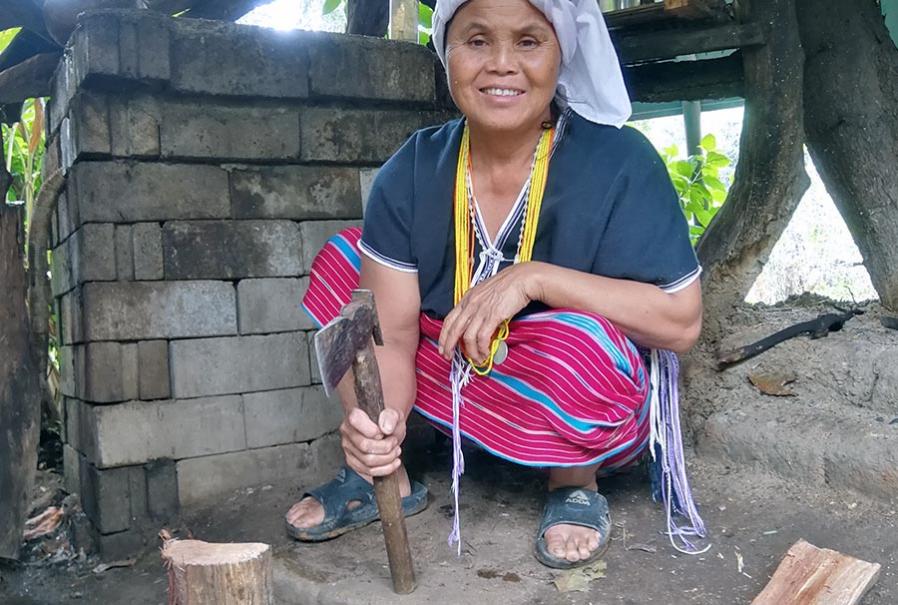
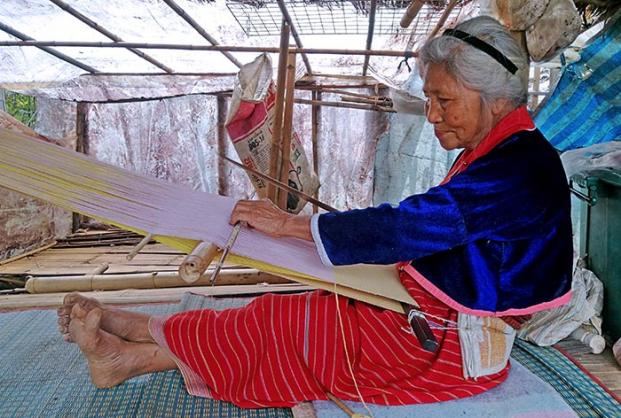
One of the ways for you to distinguish the Karen from other tribes is by looking at their outfits. Both men and women usually wear the V-neck tops with both V in the front and at the back. Karen girls and single women are required to wear long white tunic dresses down to their ankles. On the other hand, married women wear black V-neck tops and sarongs.
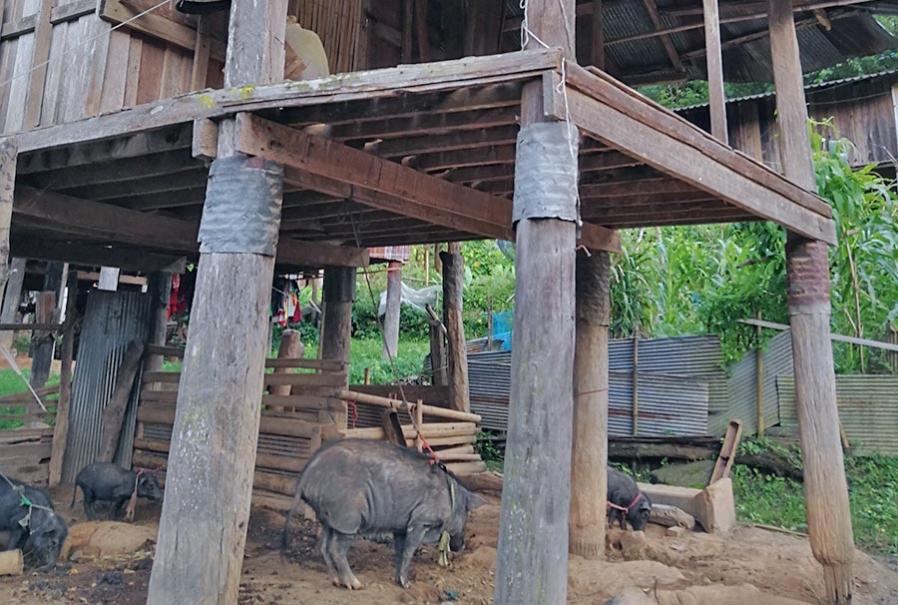
The Karen usually live in stilt houses where their livestock live underneath. In general, the Karen live in the same places because they know how to conserve soil and water very well. As a result, they don’t need to move around to find new sources of good soil and water supply like other tribes.
Where to visit: Baan Mae Klang Luang Village. This beautiful and peaceful village is populated mainly with the Sgaw Karen and located on the way to Doi Inthanon. Baan Mae Klang Luang Village is also a community-based tourism where the villagers have controls in how to manage the village. They also make sure that the income they make from tourism is also used in developing the community.
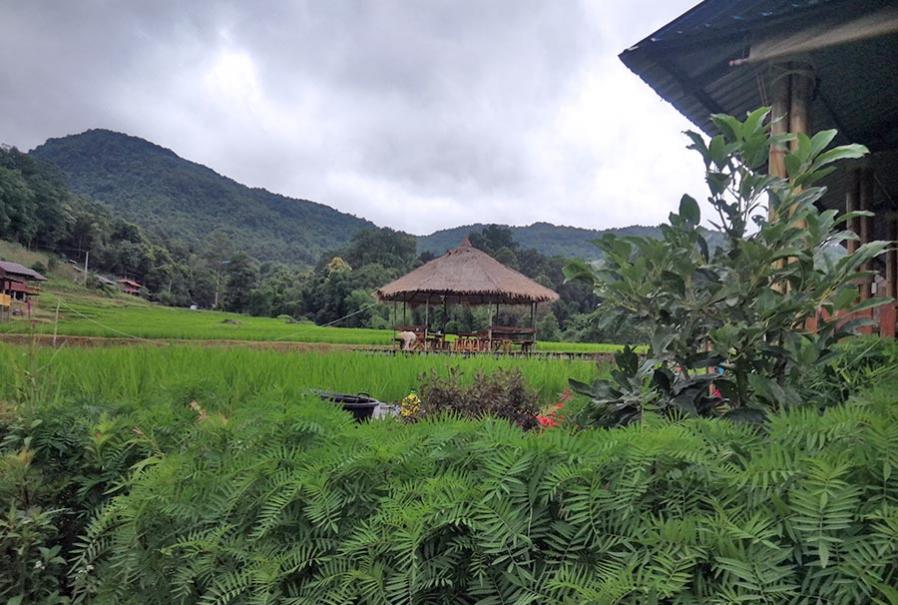
A little tip for you; do not rush. Do spend a whole day at the Mae Klang Luang Village and try all of the many activities offer there. You can learn how to grow vegetables or rice. Also you can try to learn how to roast coffee beans in a pot over the fire. Then stay a night there in a homestay and enjoy Karen food freshly prepare by Karen ladies. Next morning, after a few cups of freshly brewed coffee by the Karen, make your way up to Doi Inthanon to see one of the most breathtaking views up there. It will be one wonderful and unforgettable trip!
2. Long Neck Karen (Padaung); The Long neck Karen was originally from the Yunnan province in southwestern of China. In 1984, a few minority groups, including the Long Neck Karen were at wars with the Myanmar government. Then in 1985, some of the minority groups had migrated into Thailand through the Thai – Myanmar border in Mae Hong Son Province. There were 8 Long Neck Karen that migrated into Thailand with other minorities too. The mayor of Mae Hong Son at the time thought the Long Neck Karen would attract tourists to Mae Hong Son, so the mayor let all 8 of them stayed. After that, more Long Neck Karen had migrated to Mae Hong Son and then moved down to Chiang Mai.
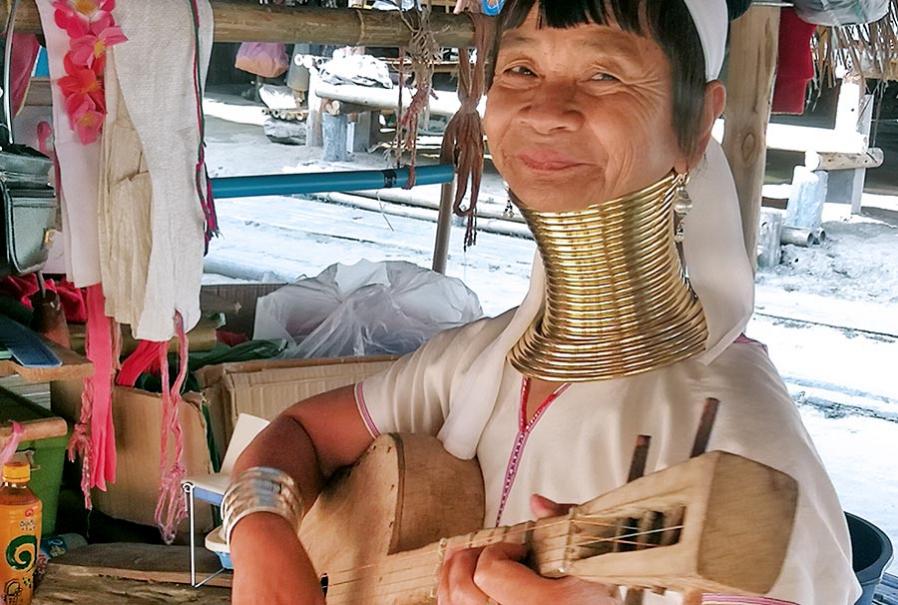
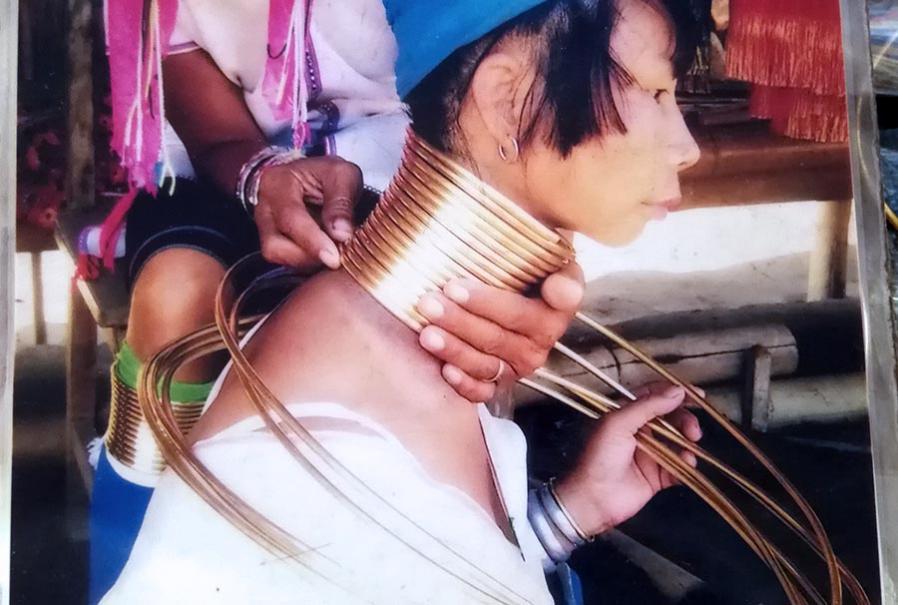
The Long Neck Karen women are very outstanding because of the heavy brass rings around their necks, wrists, and shins. But did you know that they were not wearing any of the rings from the start? There’s a myth says the women started to wear the heavy brass rings when many women got attacked and killed by tigers while the men were out working on the farms. That’s how it started and that have become one of their traditions since then.
 Starting to put the rings around a girl’s neck starts as soon as a girl turns 5 years old. Her parents will prepare a ring with about 6 layers in height and about one kilogram in weight. Every three years, each girl will get a set of new rings with 3 layers more. This continues until she turns 25 years old or until she gets married. The height of the rings stays until the day she dies and she will never remove those rings.
Where to visit: Baan Tong Luang Eco-Agricultural Village is about 30 minute-drive from Chiang Mai city. The village was built to preserve the local ways of living and the traditional lifestyles of the Long Neck Karen. Please be noted that there’s an entrance fee of 500Baht.
3. Hmong; No one can really say where the Hmong were originally from. Many scholars think they were from the Tibetan Plateau, Siberia, Mongolia and then had migrated into China. Unfortunately, the Hmong were constantly at wars with the expansionist Chinese for at least five to six thousand years while they were in China. So some of them had migrated to the north east of Laos and to the north of Thailand.
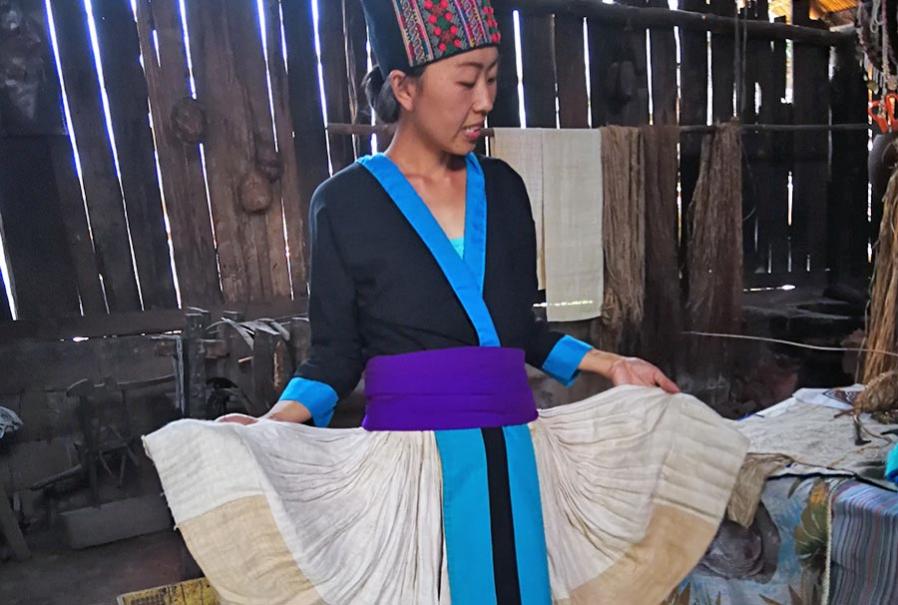
In Asia, there are four main subgroups of the Hmong which are White Hmong, Red Hmong, Blue and Green Hmong, and Striped Hmong.[8] Hmong women from each subgroup wear their clothes differently and that helps us in telling which subgroup they are from. White Hmong women wear plain white skirts. Blue or Green Hmong women wear skirts with needlework beautifully done by hand. Striped Hmong women can be identified by their jacket sleeves which usually consist of three or four black and blue stripes.
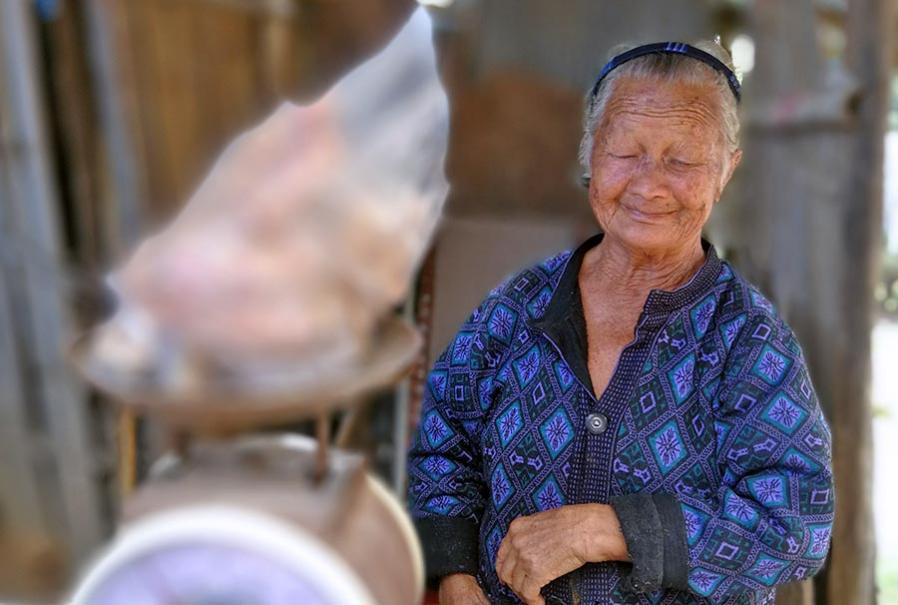
While there are four different subgroups of Hmong elsewhere, there are only two main subgroups in Chiang Mai which are White Hmong and Striped Hmong. The Hmong in Chiang Mai usually live in the high altitudes where the weather is usually cold. Thus, their houses often have no windows. Houses are usually built in cottage style and are directly built on the soil with thatched roofs. Apart from a bamboo litter that is used to welcome guests, there are often no any other furniture inside the house.
Where to visit: For the Striped Hmong, you can visit them at the Doi Pui Hmong Village. On the other hand, for the White Hmong, you can visit them at Baan Khun Chang Khian Village. Well, if you are wondering whether you can see both of them in one day, the answer is yes, you can. If you are already planning to visit Doi Suthep, I’d like to suggest you combine the two villages with Doi Suthep and make it a full day trip. They all are in the same area!
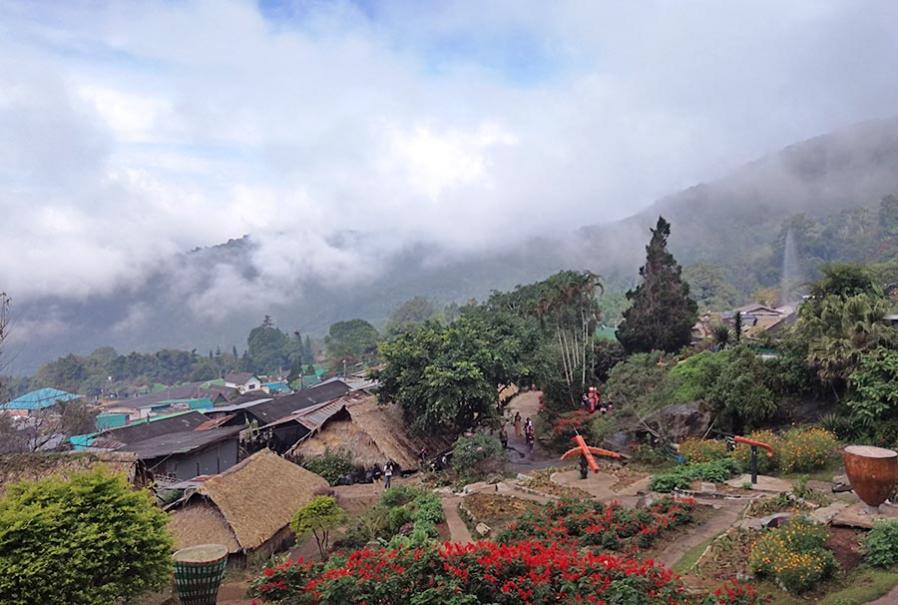
4. Palong (Palaung/Dara-Ang); In 1984, Palong first migrated through the Thai - Myanmar border into Thailand from the Shan state in Myanmar. It first started with around 2,000 people. They had built a small community illegally in Ban Nor-Lae village close to Doi Angkhang in Fang district of Chiang Mai. Once, when the King Bhumibol (Rama IX) went to see the Doi Anhkhang Royal Project, the Palong leader at the time went to see the king and asked for his permission for them to stay in Thailand legally. The king Bhumibol was worried about their living conditions, so he let the Palong stayed in the Ban Nor-Lae village legally as a minority group since 1986.
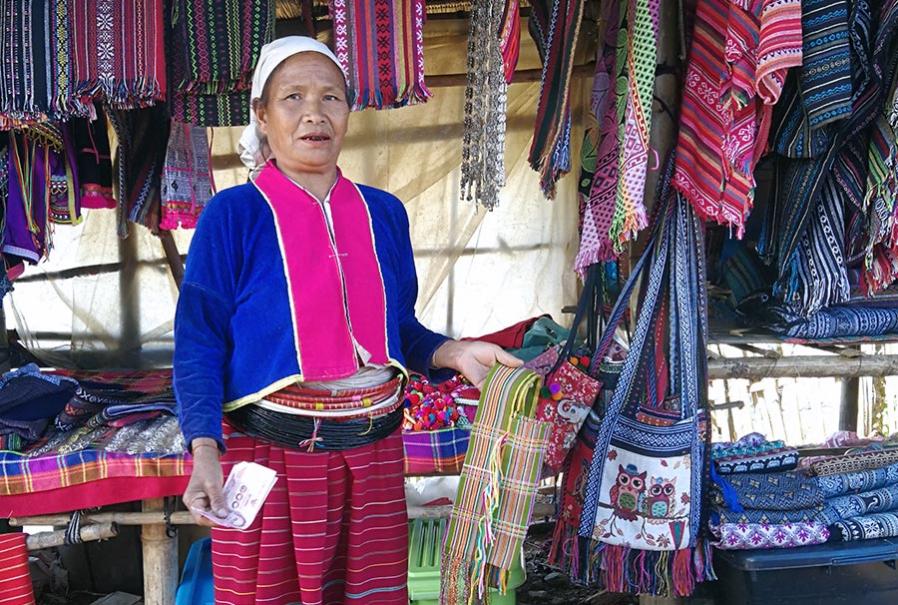
Just like any other hill tribes, you can identify the Palong from their outifts. Palong women always wear bright color waist-length cardigans with big pink or red stripes in the front. With the cardigan, they wear red sarong with thin white stripes and sometimes a white scarf wrapping around their heads. Apart from all mentioned accessories above, the Palong women also always wear lacquer ware rings with some silver rings around their waists. They wear these rings around their waists all the time, yes even to bed too. The Palong women believe that wearing these rings around their waists will bring them happiness and will help them go to heaven after they die.
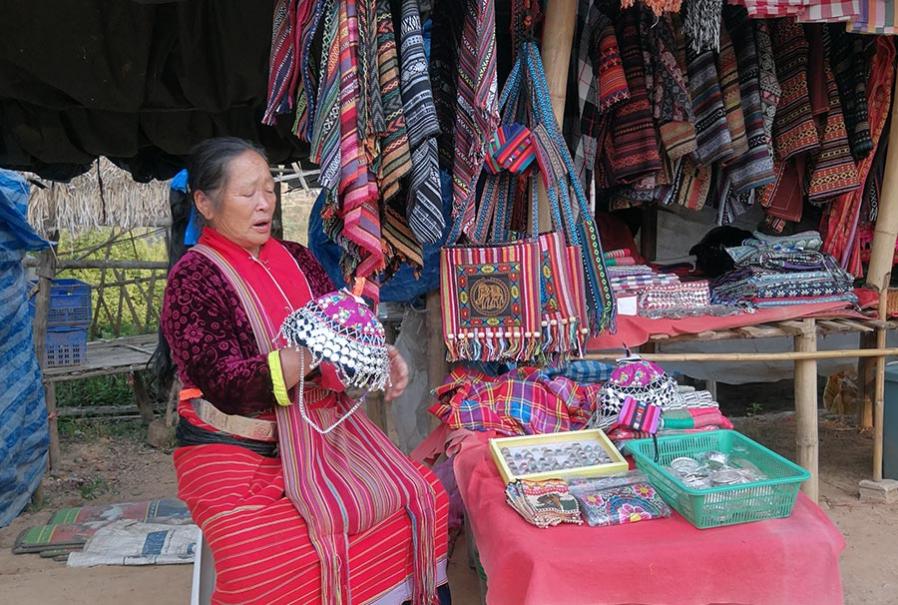
Where to visit: Ban Nor-Lae Village close to Doi(Mountain in Thai) Angkhang which is about 175 kilometers north of Chiang Mai. I suggest you to combine Ban Nor-Lae Village with the Doi Angkhang Royal Project which is about another 10 kilometers further. Doi Angkhang Royal Project is one of the coldest place in Thailand during winter and often considered as a winter wonderland for Thai people (October – February).