Where To Find Secret Hot Springs In Taiwan, Outside Of Beitou
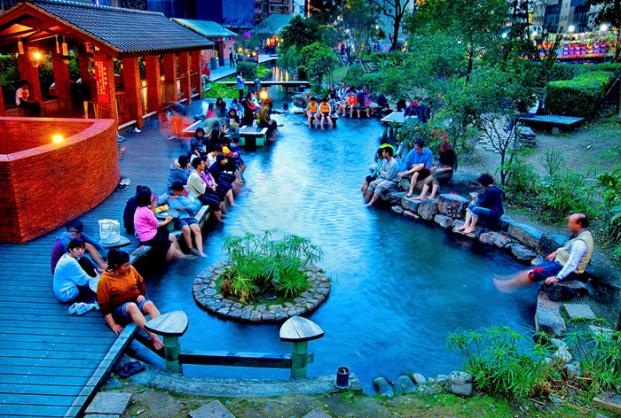
Winter is coming! One of the popular activities in Taiwan during rainy winter is dipping yourself into hot springs. Beitou, in the north of Taiwan, is the classic go-to hot spring area for both tourists and locals in the capital city. One way to avoid the crowd is to get a private room with a tub, however, it is relatively pricey. Thankfully, Taiwan is in a volcanic area, where hot springs are not exclusive to Beitou. If you’d like to stay away from the crowd without paying big bucks, get your bathing suits ready and explore these secret hot spring places outside of Beitou!
Yangmingshan
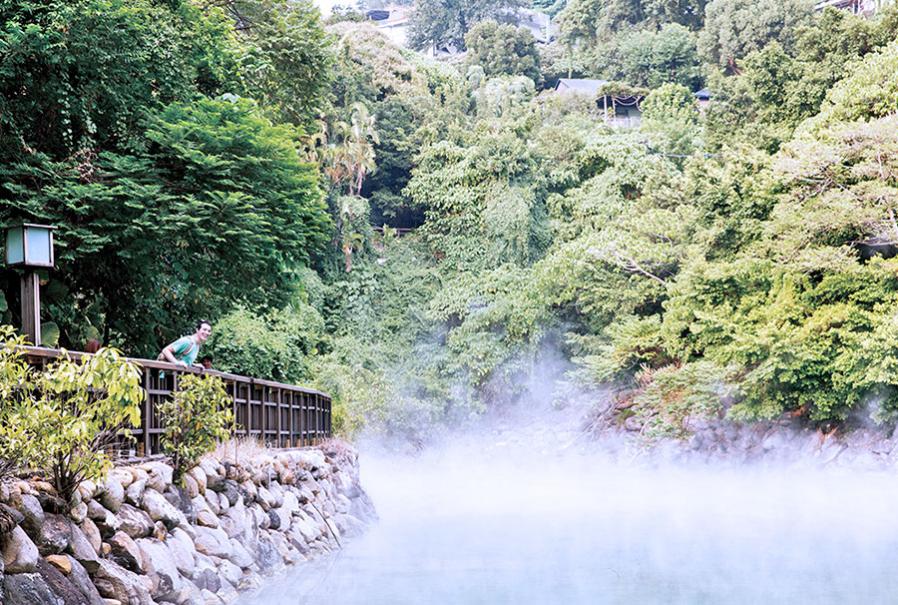 Photo credits: Allen Timothy Chang
If you’d like to stay in the capital whilst absorbing the nature, Yangmingshan is the place to go! Yangmingshan, one of Taiwan’s national parks, is the tallest dormant volcano in Taiwan, boosting its cherry blossom, hot springs, post-volcanic geological landscape, and hiking trails. Yangmingshan lies between Beitou and Shilin district. The easiest way to get up there is a taxi or scooter ride. You can choose from a variety of hot spring spots there, including Bayan, Dayoukeng, Xiaoyoukeng, Houshan, Phoenix Valley and Sulfur Valley. Enjoy a day of hiking, scenic views and hot springs
Wulai
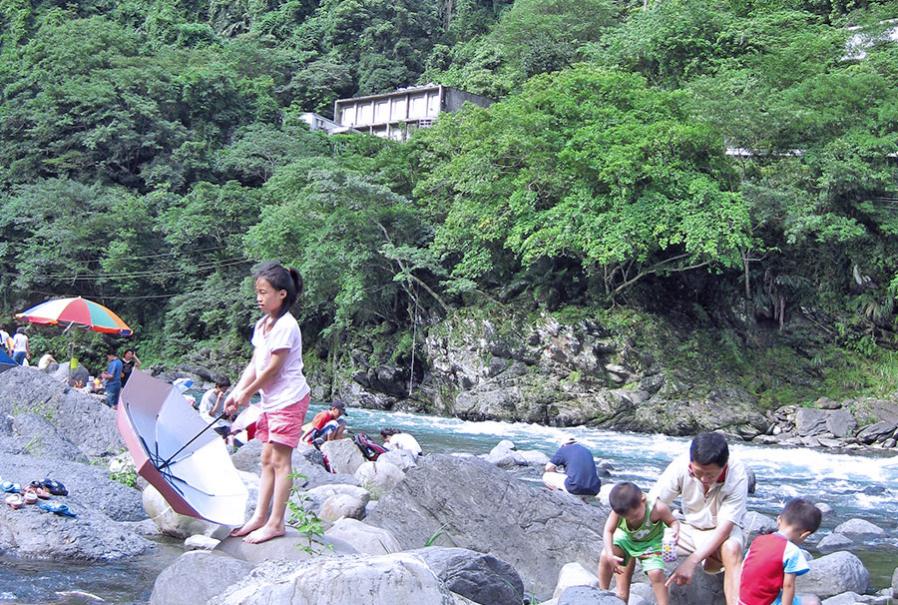 Photo credits: commons
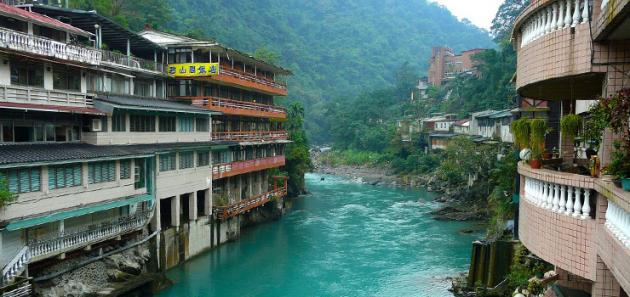
Just outside of the capital, lies an adorable town with old streets, hot springs and cultural heritages of aboriginal tribe Atayal. Unlike the sulfuric hot springs in Beitou or Yangmingshan, Wulai serves odorless hot springs, which is more friendly to beginners of hot spring culture! Wulai is about an hour coach ride away from Xindian. Be sure to check the weather before enrouting to Wulai, rain is a huge factor to the availability of hot spring sources in Wulai. If it is raining or has been raining days before, there may be no hot spring sources and please beware of landslides!
Jinshan
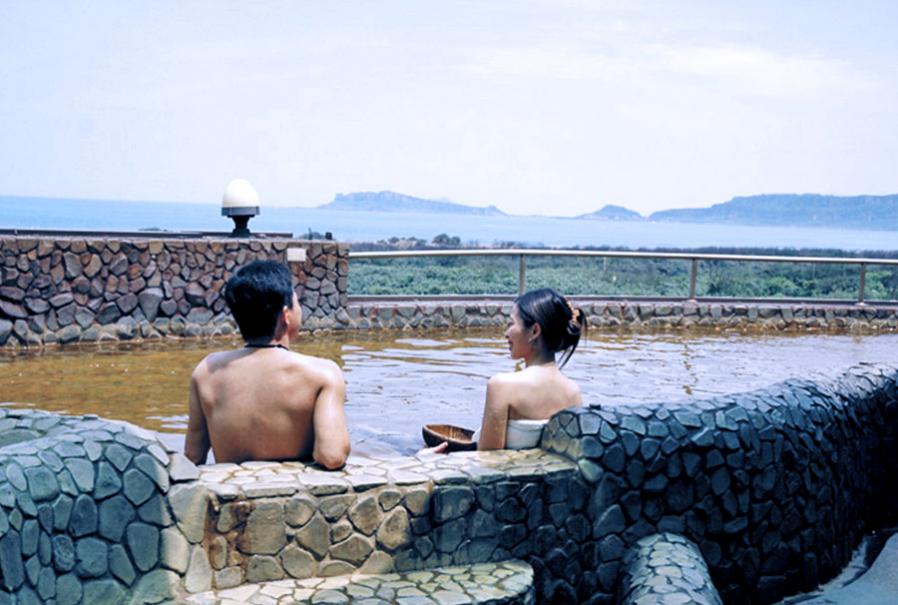 Photo credits: Tourism Bureau MOTC
Located in the north coast of the island, Jinshan offers a variety of hot springs, namely seawater-fed spring, carbonic acid spring, sulfur spring, and iron oxide. The history of Jinshan hot spring dates back to Qing Dynasty. Visiting Jinshan hot spring area and the old street gives you a glimpse into the development of hot spring in northern Taiwan. The famous Yeliu Geopark is next door, if you fancy a day trip to the north coast. The best way to get to Jinshan is by car, or catching a bus from MRT Tamsui station.
Jiaoxi
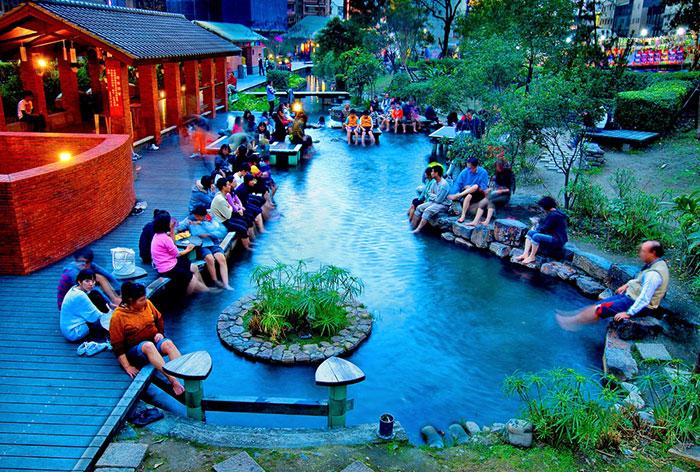 Photo credits: Tourism Bureau MOTC
Moving on to eastern Taiwan, Jiaoxi is another hot spring area where people often go as a day trip or a weekend getaway. Jiaoxi hot spring prides its unique occurence on a flatland, which is uncommon in Taiwan. Jioaxi is a train ride away from Taipei thanks to the convenience of public transport in Taiwan. You could also take a coach or drive through the Snow Mountain Tunnel, which cuts through the east and the west of the island. Hot spring area in Jiaoxi is quite commercialized. You can find hotels and public hot spring pools with different flavors and surrounded by food and drink bars.
Zhiben
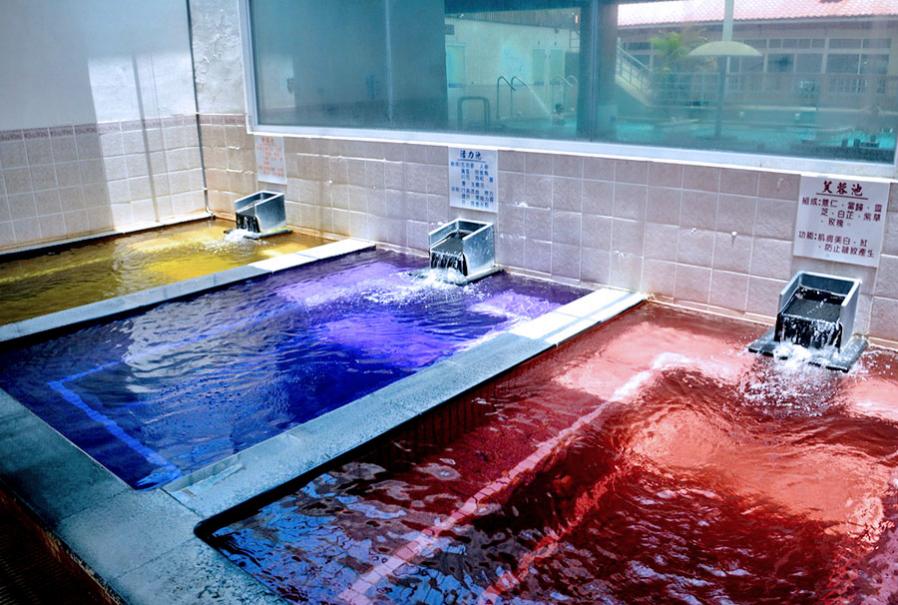 Photo credits: Taitung County Govt
Going further south on the east coast comes Zhiben, Taitung. Zhiben hot spring flows along the riverbed and used to be where the aboriginal tribes gathered to clean themselves and cook food. Nowadays, it’s turned into a resort area with 5-star hot spring resorts. If you love nature, there’s also Forestry Park, valleys and waterfalls all around Taitung. Taitung is a short flight away by domestic flights from Taipei. Alternatively, one can take a train from major train stations in Taiwan to Taitung Railway Station.
Guguan
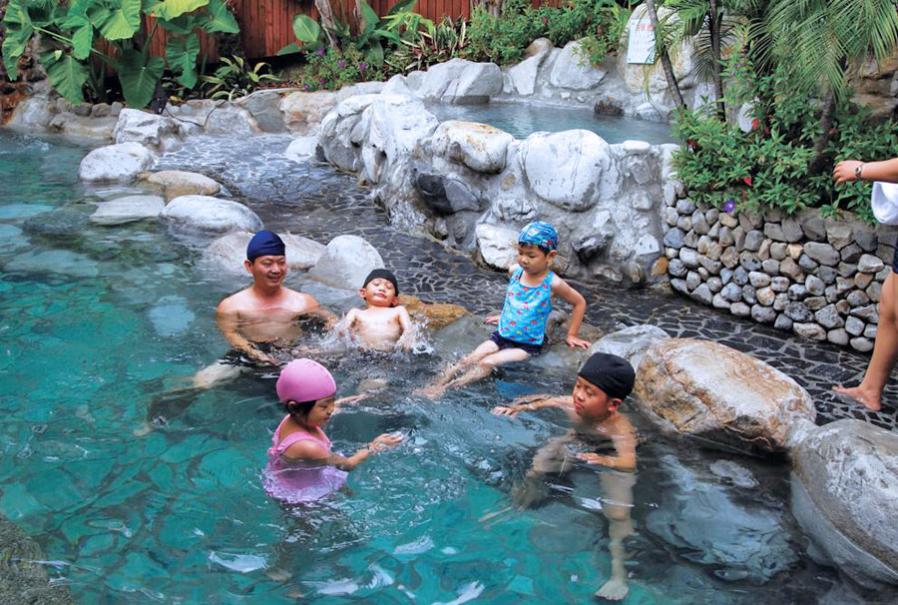 Photo credits: Taichung Travel Net, Taichung City Government
Guguan hot spring is located in Taichung, the middle of Taiwan.It was originally developed by the Japanese during Meiji Period in Japan when Taiwan was occupied by Japan. Therefore, it was called Meiji hot spring. Walking into Guguan, you’ll instantly get the influence of Japanese occupation in Taiwan as most hot spring places keep the Japanese style of architecture and hot spring culture. The area is famous for their Japanese style hot spring houses and open area pools in the woods.
Getting to Taichung can not be easier. You can choose from High Speed Rail (HSR), Taiwan Railway and intercity coaches.
Sichongxi
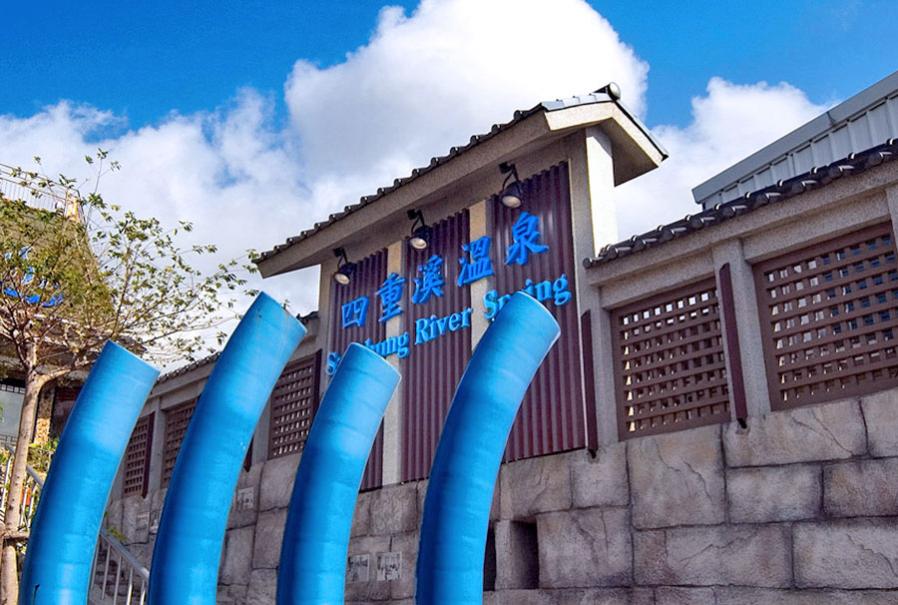 Photo credits: Tourism Bureau, MOTC, ROC
Sichongxi is the most famous hot spring in the south. Legend has it that the Japanese royal family went for honeymoon there during the Japanese occupation. Although technically speaking, winter is not as cold as it is in Pingtung, where Sichongxi hot spring situated, it still attracts hot spring lovers to dip themselves into Sichongxi. The clear spring water is considered top mineral water and is also drinkable. Don’t miss Kenting National Park and beaches in Kenting if you’re at Sichongxi. To get to there, take High Speed Rail, Taiwan Railway or a coach to Kaohsiung or Pingtung, then change to buses that go to Sichongxi.
Soaking oneself in hot springs is popular to Taiwanese of all ages. Family, couples, friends even coworkers can go together for hot springs! Usually, bathing suits are required in public pools, however, some Japanese style hot spring houses might keep the Japanese tradition and serve full nude hot springs. In that case, male and female would go to separate public pools and wearing bathing suits is considered extremely rude. Do check with the staff if you’re going for a public one or going with a group to avoid uncomfortable situations!