What to do at Khao Sam Roi Yot National Park

Khao Sam Roi Yot National Park is one of Hua Hin’s best kept secrets: a large and incredibly photograph-worthy park relatively undiscovered by tourists. Located in the Khiri Khan province, it’s a landscape of incomparable contrasts – picture 99 square kilometers of intriguing caves filled with impressive stalagmites, stalactites and temples, untouched beaches and coastal pools, limestone mountains and rolling hillside, freshwater marsh and mangrove forests. Meaning “The Mountain with Three Hundred Peaks”, Khao Sam Roi Yot National Park is Thailand’s first marine national park and while its name may be slightly embellished, it certainly has an impressive array of mountains and habitats home to fascinating and rare wildlife. Here are the best things to do in Khao Sam Roi Yot National Park:
Wildlife watching
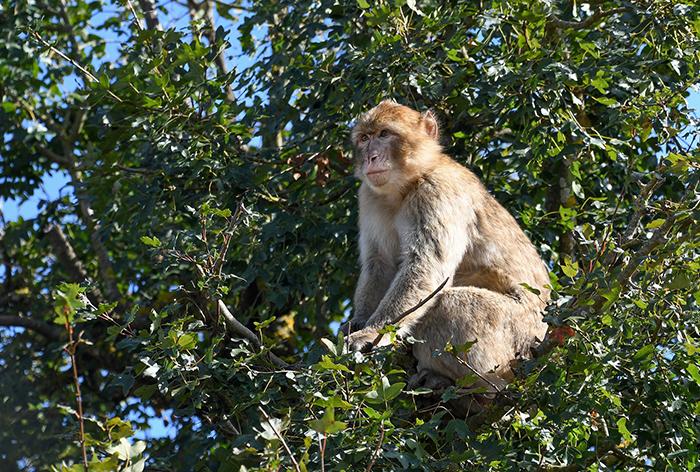
The dense forests, mangroves, rolling hillsides and coastline of the park are home to a variety of small mammals. Whether you’re hiking through the park itself or boating along its rocky coastline, keep your eyes peeled for dusky leaf monkey, crab-eating macaque, barking deer and the extremely rare Sunda pangolin. Other fascinating species include fishing cat, Indochinese serow, wild boar, leopard cat, Asian palm civet, small Asian mongoose and Burmese hare. And if you’re lucky, you may even spot Irrawaddy dolphins frolicking in the waves off the coastline!
Bird watching
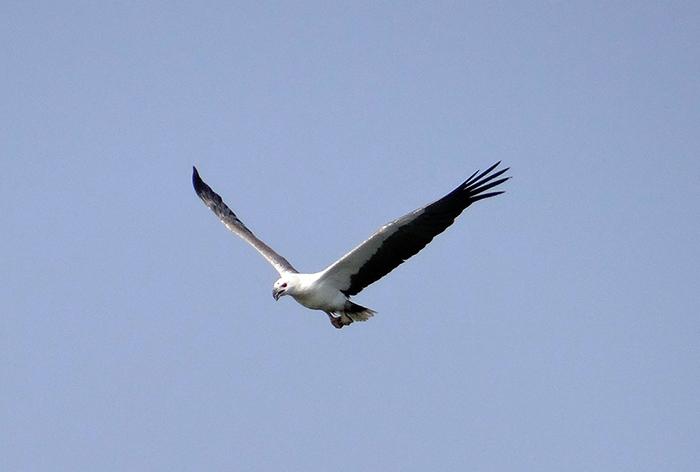
The park is one of Thailand’s most remarkable birding destinations, home to an estimated 300 different species of birds, half of which are migratory. You won’t find anywhere better to see water birds on their travels between Asia and Australia during the first few months of the year with regular sightings of purple swamp hen, white-bellied sea eagle and eastern marsh harrier during the months of January and February. Khao Sam Roi Yot National Park is one of the few places where Malaysian plover nest in Thailand. Other interesting birds to spot include several species of heron, eagle and falcon.
Sam Phraya Beach
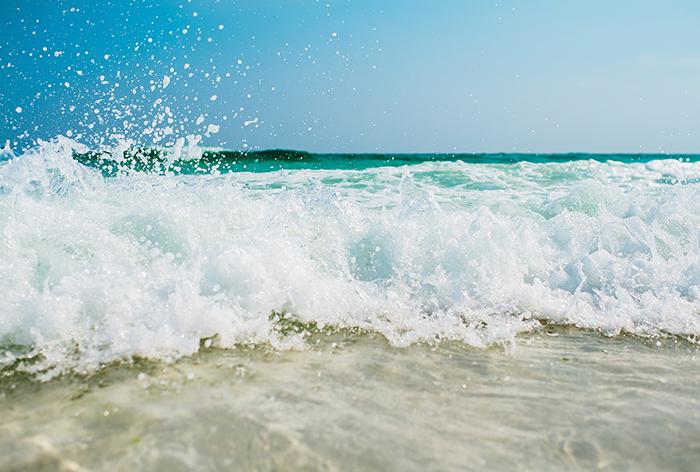
Sam Phraya Beach is a scenic two kilometer stretch of coastline fringed by palm trees. Located approximately five kilometers north east of the headquarters, the beach provides the base of the hike up to the Phraya Nakhon Cave and temple and consists of a small campsite with basic facilities and a restaurant that’s open daily.
Phraya Nakhon Cave
The main attraction of the park, Phraya Nakhon Cave is one of the most spectacular in Thailand with enormous caverns and chambers, two sink holes and a four-gable roofed royal pavilion called Phra Thinang Khuha Kharuhat – a 200 year old temple built in 1890 for King Rama IV. The cave is reached via a two kilometer hike or a more convenient boat trip if you’re happy to pay the extra Baht. If you opt for the boat trip, you will arrive at Sam Phraya Beach at the base of the hike to the cave and enjoy the services of a junior park ranger tour guide – be aware that their English is usually not very good. It’s then a further 430 meter long steep trail hike up to the cave itself – an exertion that’s well worth the effort. For the best experience, visit during the “golden hour” (around 10h30) when the sunlight illuminates the opening of the sinkhole in a marvelous display of light.
Thung Sam Roi Yot Freshwater Marsh
Located in the northwestern corner of the park, the Thung Sam Roi Yot Freshwater Marsh is the largest freshwater marsh in Thailand. It’s a great place for nature lovers, home to wetland species from water birds and songbirds to a variety of amphibians including banded bullfrog, red-eared frog and black-spined toad. Registered as a Ramsar site, the Thung Sam Roi Yot Freshwater Marsh is an important wetland area that offers an incredible view of the mountains – arguably the best view in the park! If you’re feeling up for a stroll, a one kilometer boardwalk meanders over the marshland where you can often spot purple swamp hens. Keep in mind that part of the boardwalk has become dilapidated in recent years and has been closed off.
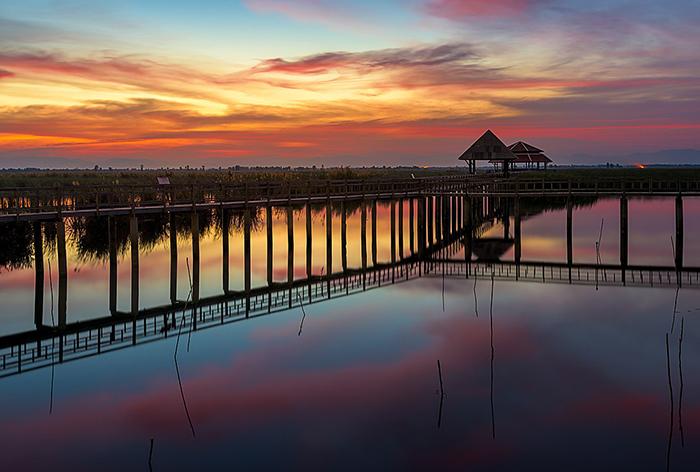
Khao Daeng Viewpoint
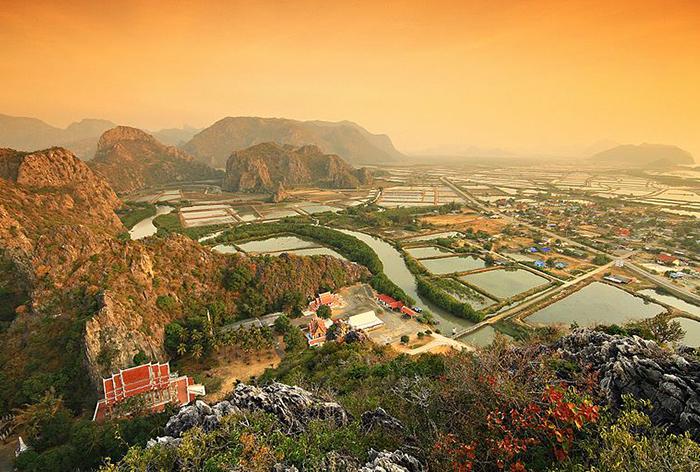
Elevated 157 meters high, the Khao Daeng Viewpoint offers some of the best views in the park. Approximately 700 meters from the headquarters, this secluded hilltop provides a 360 degree view over the sea, mountain, forest and shrimp farms below – best viewed at sunrise! Keep your eyes peeled for macaques and birds in the area.
Khao Daeng Canal
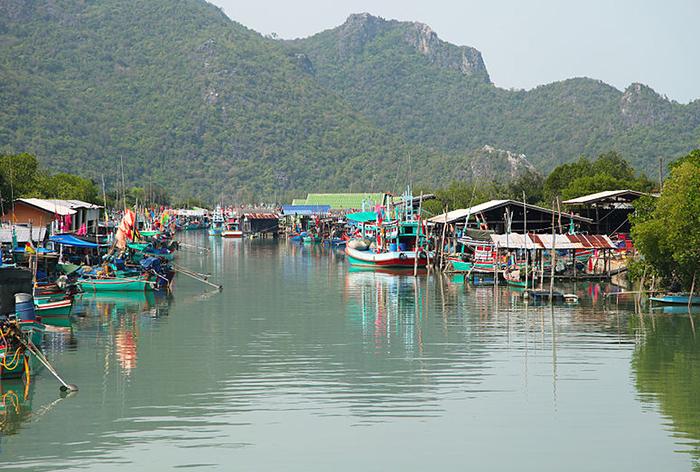
Filled with stunning scenery and scenic mangroves, Khao Sam Roi Yot National Park is a popular destination for boat trips through the mangrove forests. You can easily hop on a boat tour of the Khao Daeng Canal from the Ban Khao Daeng Village. Its one of the best ways to appreciate the scenery of the area – from limestone hilltops to deep valleys filled with chirping birds and macaques – and these boat trips last approximately one hour. For the best lighting for photographs, plan your trip around sunset.
Kaeo Cave
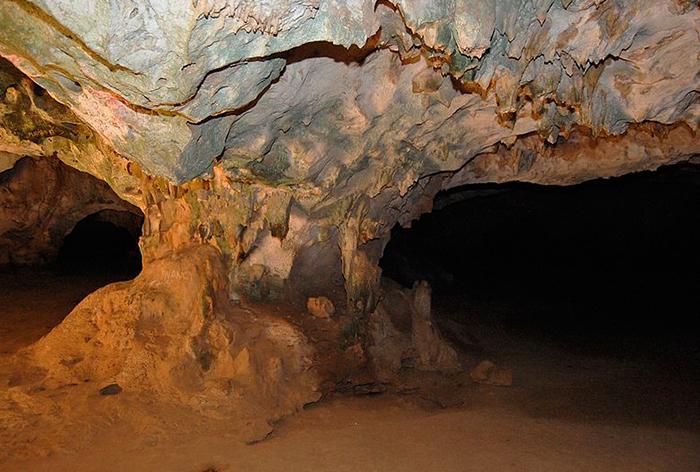
Accessed via a 250 meter long trail, the Kaeo Cave consists of several cavernous chambers and an abundance of stalactites and stalagmites. Located 16 kilometers from the headquarters towards the Bang Pu village, the cave has two entrances and it takes approximately 25 minutes to walk from one to the other. Keep your eyes peeled above your head for bats suspended from the ceiling and watch your feet as Asian forest scorpions may be spotted here too. As the walk requires climbing steep ladders and crawling on your hands and knees through close quarters, visiting the cave is only recommended for visitors in good physical shape. Head lamps can be rented at the entrance to the cave or you can bring your own. Please note that a mandatory guide from the park office is needed to visit Kaeo Cave.
Sai Cave
Nestled within the lush greenery of Tanot about nine kilometers from the headquarters, Sai Cave is a beautiful cave filled with impressive stalactites and stalagmites. It is accessed by a 300 meter long trail. Torches are available for rent on weekdays but the cave is lit up on weekends during peak season.

Tips from us
- Headquarters: located at the southern end of the park, the HQ is within easy reach of many of the park’s attractions. Visitors will find several small hiking trails, a watchtower and basic facilities here
- Expect to pay small entrance fees for the park if you enter the attractions – proceeds go towards the preservation of the park
- The park is easily reached by boat or road, approximately 60 kilometers south of Hua Hin and about than three and a half hours from Bangkok
- Most attractions will require a 30 to 60 minute hike
- The best way to get around is by scooter (most hotels offer rentals)
- A restaurant is available or you can pack your own lunch to have on the beach
- The best time to visit is early in the morning when you can capture the “golden hour” at the Phraya Nakhon Cave around 1000H – 1030H in the morning
- If you’d prefer to enjoy a later start, don’t miss a sunset boat tour along the canals
- Wear good hiking shoes as the trails can be tricky particularly after it has rained
- Pack sunscreen, water, sunhat, towel, mosquito repellent and your swim suit
Still relatively undiscovered by large crowds, Khao Sam Roi Yot National Park remains one of Hua Hin’s most tranquil natural attractions. Plan your visit today!