Secrets of Singapore’s hippest spot: Tiong Bahru
Originally created as a housing estate in the heady days of the 1920s art deco movement, Tiong Bahru has since developed into one of the Singapore’s hippest, yet also most under-visited, areas of the city with its own ambience and sense of community. Spend a day here and you’ll be rewarded with a slice of heritage-rich Singapore filled with independent boutiques and offbeat eateries.
Understand
The oldest purpose-built public housing estate in Singapore, Tiong Bahru actually translates somewhat bizarrely as ‘new cemetery’, with Tiong meaning ‘end’ in the Hokkien dialect of southern China where many of Singapore’s Chinese community originated, and Bahru the Malay word for ‘new’, since the area was once home to several cemeteries interspersed with unhygienic and unusable swampland.
Tiong Bahru is a neighbourhood proud of its heritage. In fact, many of its older residents have lived here for decades. More recently, the area has become popular with young professionals, resulting in fantastic alternative hangouts and an intriguing mix of old and new Singapore.
See
Grey Projects is the foremost art gallery in Tiong Bahru, featuring a revolving body of work by both the live-in artist and other emerging local talent, chosen through an open call for artists to submit their work. But more than that, it is also library and studio aimed at fostering creative experimentation and cultural exchange.
If you prefer to check out your artwork over a cup of coffee, you should head instead to The Orange Thimble, a café serving coffees, brunch foods and desserts amid a mini-gallery of painting by local artists. Relatively unknown even to Tiong Bahru residents, it’s a great place to take the weight off your feet for an hour or so in a tranquil environment, and is well worth checking out.
The Qi Tuan Gong Temple is worth exploration too. Dedicated to the Monkey God of the Chinese literary classic Journey to the West, Qi Tuan Gong Temple has been around as long as Tiong Bahru, and is said to be the first temple dedicated to the Monkey God. One of the most playful (and therefore interesting) of all the gods in Taoist mythology, some of the 10 statues of him even pre-date the temple itself. Its colourful decorations are particularly spectacular during the first and eighth lunar months, when festivities abound to celebrate the god’s birthday.
You also won’t want to miss the elegant low-rise art deco architecture of the neighbourhood’s first apartment buildings. The curved walls, rectilinear highlights and transport motifs scream pre-war confidence and are a great example of the Streamline Moderne architectural style. To make sure you see it all, you can follow the Tiong Bahru trail created by the National Heritage Board to take you around ten points of religious, cultural and historical important to the neighbourhood.
Eat
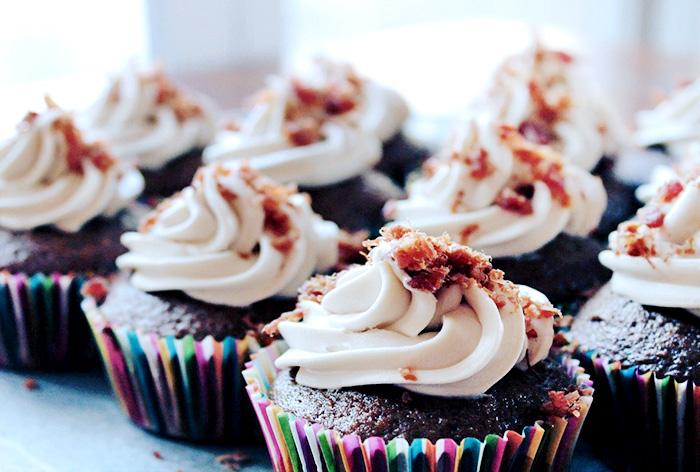
Tiong Bahru is a neighbourhood with a huge array of places to eat and drink, from chic cafes to the eponymously named Tiong Bahru Bakery. The bakery is a firm favourite with locals in search of the best pastries in town. Perennially packed, it’s famous for its award-winning all-butter croissants, but there are plenty of other patisserie classics and cakes to choose from. Alternatively, head to the Plain Vanilla Bakery, known for its obsessively-good cupcakes.
The traditional coffee shop setting perhaps doesn’t do justice to Bincho, specialising in brilliantly tasty grilled meats and equally amazing cocktails. Just in front, you’ll find a minced pork mee pok (flat yellow egg noodle) stall that’s been there 70 years and open all day.
Shop
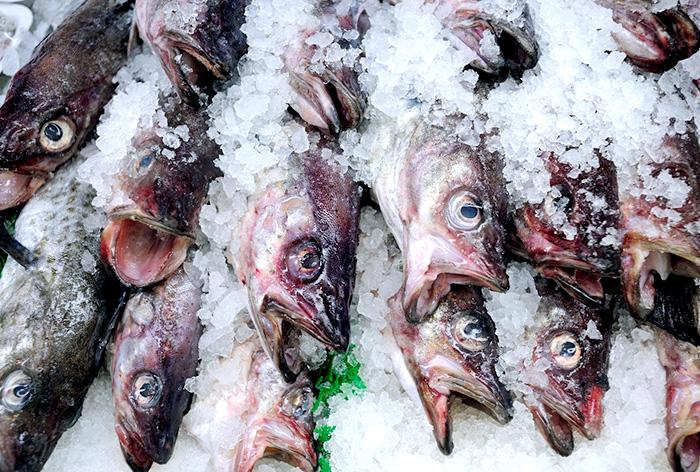
At the heart of the neighbourhood in Tiong Bahru wet market and food centre, the place to grab some great local cuisine, such as chwee kueh (cakes of steamed rice topped with pickled radish) and lor mee (braised noodles) as well as your everyday groceries. It’s considered one of the best hawker markets anywhere in Singapore.
Having delved into independent bookstore Books Actually, you might not want to leave. Crammed with classic, contemporary and local literature, the owner only set up shop here in 2011 because the rent was cheap. Times have changed, but it is still the best place to find books outside the city’s mainstream bookstores. As well as the leading American and British authors, you’ll find space dedicated to the less-well known authors from around the world, and a strong focus on local authors too. Moving into the sale of quality stationary and publishing its own slim volumes, Books Actually hosts regular events, including book launches, poetry readings and exhibitions with a local bent, making it a fabulous place for the culturally-minded hipster.
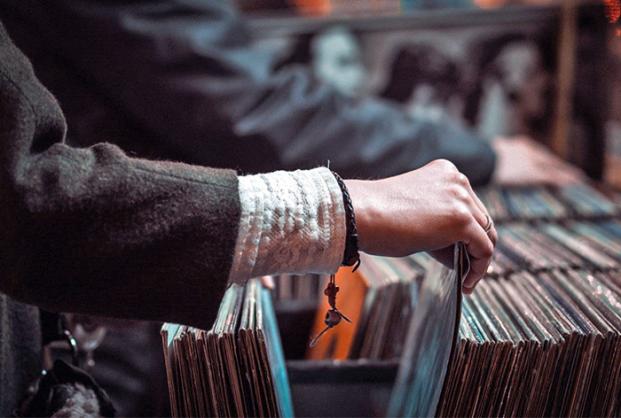
If you’re more into your vinyl than your books, then head to Curated Records where there are more than 1000 titles from mainstream to indie to flick through. For the eclectic, Nana and Bird is home to dresses as well as accessories and home décor.
Relax
If all this starts to get a bit too much, head to Yoga Movement for a little tranquillity. For a moment of relaxation for those who might not always be yoga-minded, there’s no better place to go than Tiong Bahru Park. Traditionally a place for residents to enjoy a little green space, the three-hectare park contains the footpaths and lawns you would expect, a children’s playground, and acts as an important habitat for local birdlife.
Practicalities
Jump on Singapore’s clean and fast MRT (Mass Rapid Transport) public transport system and head to the dedicated Tiong Bahru MRT station. The neighbourhood is then best explored on foot, with all the places mentioned within walking distance of the station and one another, though should you wish there are more than 15,000 public sharing bicycles dotted about the city run by oBike, Mobike and ofo.