Day Trips From Bangkok
Bangkok is a humongous metropolis with contrasting tropical vibes and exotic culture. It’s hard to imagine ever running out of things to do in a city as diverse as Bangkok. Even if you tried, seeing everything Thailand’s capital has to offer would be extremely challenging.
However, if you’re itching to get out of the hot, loud, and sometimes overwhelming city, then look no further than this article. We’ve got the best day trips from Bangkok covered. Read on to find out where your next great escape will be:
Ayutthaya
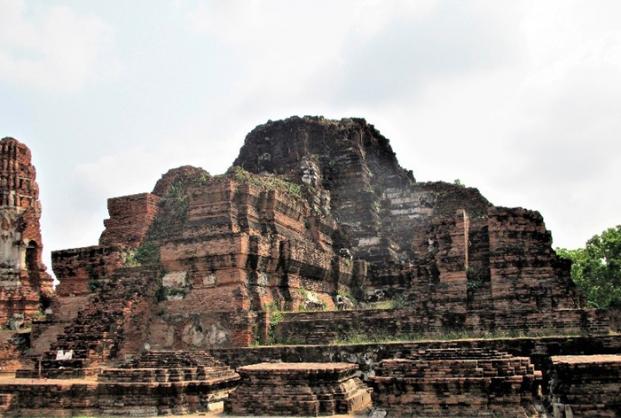
The temples of Ayutthaya are a UNESCO World Heritage Site and a must-visit while in Bangkok. This city was the ancient capital of Thailand before it was even known as Thailand.
In the 13th century, Thailand was known as Siam and Ayutthaya as the flourishing international trading port. Ayutthaya was once the biggest city in the world - home to 1 million people in 1700. Ayutthaya was an extremely wealthy and prosperous city until 1767 when the Burmese invaded and almost completely burned the city to the ground.
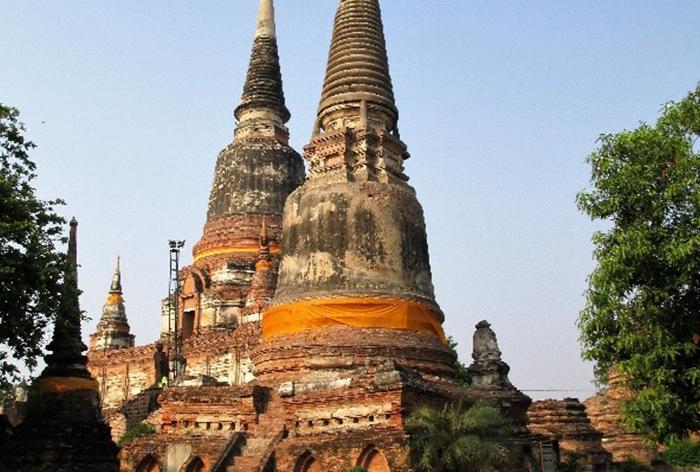
The golden temples, sweeping ceremonial squares, and massive trading vessels were wiped out. The grandeur of the city was never recreated, however the impressive remains of the once-glorious former capital of Thailand are open to the public.
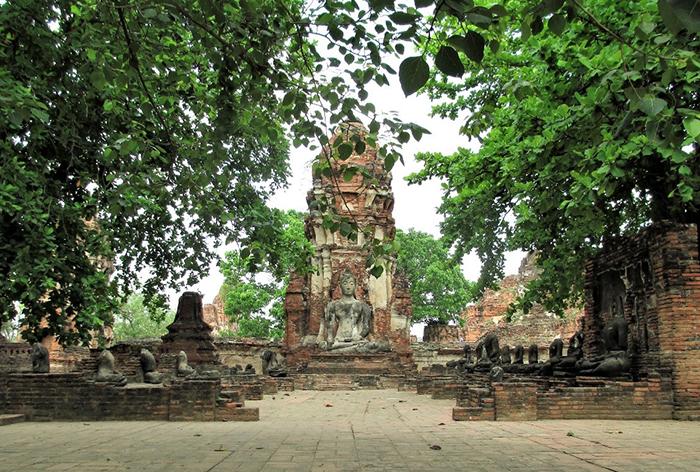
During your visit you’ll be able to see old palaces, meditation centers and - of course - lots of ancient temples. One of the most iconic sights is the Buddha head that has been entwined in tree roots, found at Wat Mahathat.
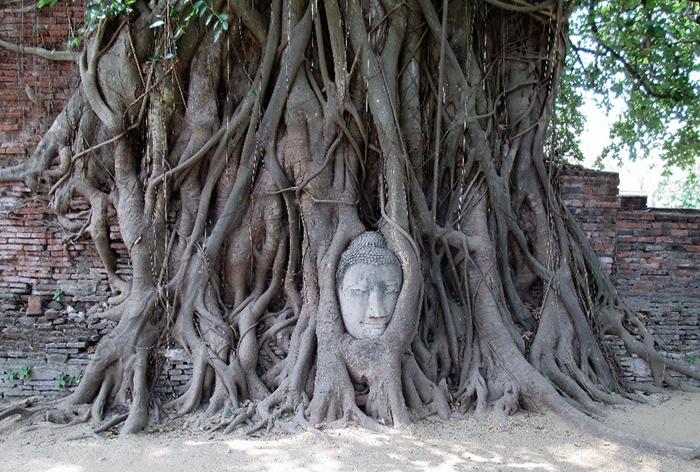
Distance from Bangkok: a little over an hour / 80km north of Bangkok
Highlights: Phra Chedi Suriyothai, Wat Phra Si Sanphet, Wat Phra Mahathat, and Wat Thammikarat.
Tip: Ayutthaya is actually an island, surrounded by three rivers: Chao Phraya, Lopburi, and Pa Sak. The area is not super large, but relatively spread out. It’s not advisable to walk between the ruin sites. Hiring a tuk-tuk to cart you around for the day is your best bet.
Death Railway, Kanchanaburi
A truly horrific yet significant part of Thailand’s history. The Death Railway (also known as the Burma Railway or the Thailand-Burma Railway) was constructed under the Japanese army by thousands of South East Asian prisoners of war and Asian laborers during WWII. The purpose of the railway was to funnel supplies through the hilly Thai jungle to aid Japanese troops invading India. Over 100,000 laborers died during the construction, earning the railway its unfortunate nickname.
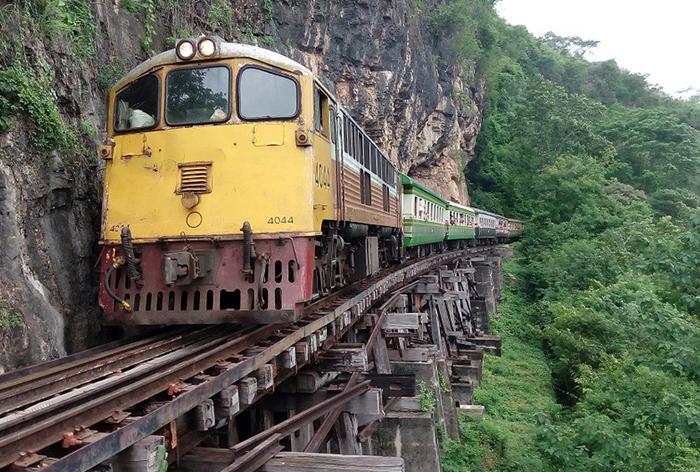
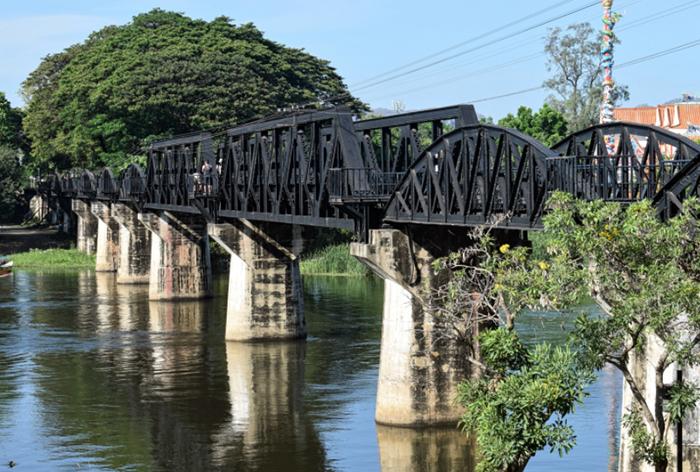
The Death Railway tours typically include the Kwai River Bridge, Kanchanaburi War Cemetery, the Death Railway Museum and Research Center, the Tham Kra Sae train stop, and the Hellfire Pass Memorial Museum and Walking Trail.
The Kwai River Bridge is surrounded by lovely scenery (despite the terrible stories that encompass it), and the walking trails provide a peaceful yet slightly haunting setting to an otherwise dreadful tale. The contrast of the area is certainly not lost on most visitors.
The Railway Museum sheds a much-needed light on the rest of its historical surroundings. It’s highly advised to visit this facility and learn in-depth about what went on in this region.
Hellfire Pass - an area of sheer rock that was chipped away by hand allowing the railway to run through an otherwise unpassable area - is particularly impressive.
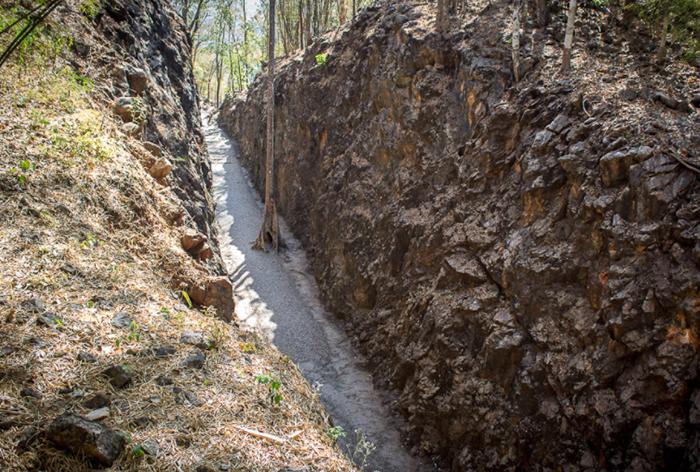
Distance from Bangkok: roughly 2 hours / 130 km west of Bangkok in Kanchanburi
Highlights: the old-style train ride between Kwai River Bridge and the Hellfire Pass Museum, the Kwai River Bridge, and the Death Railway Museum and Research Center.
Tip: purchase the use of a headset for the walking tour sections; it’s the best way to learn the full history of the railway and hear to the heart-wrenching personal accounts from surviving laborers.
Khao Yai National Park
In 1962, Khao Yai was declared Thailand’s first ever national park. Today it’s the third largest in the country and has earned a UNESCO World Heritage Site title. The park covers over 2,000 square kilometers and is composed of rain forest, evergreen forest, and grasslands.
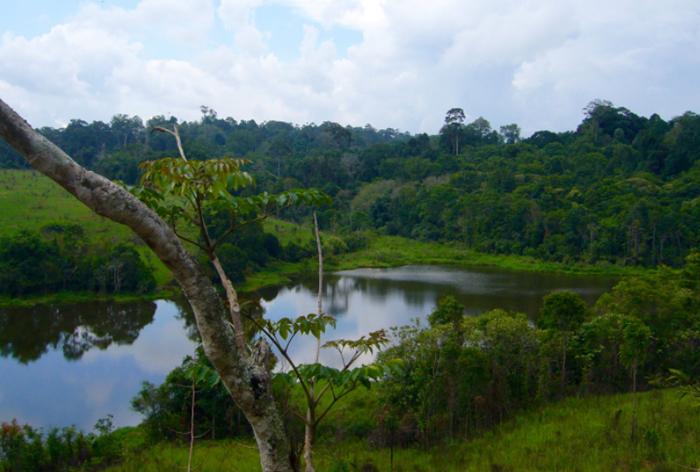
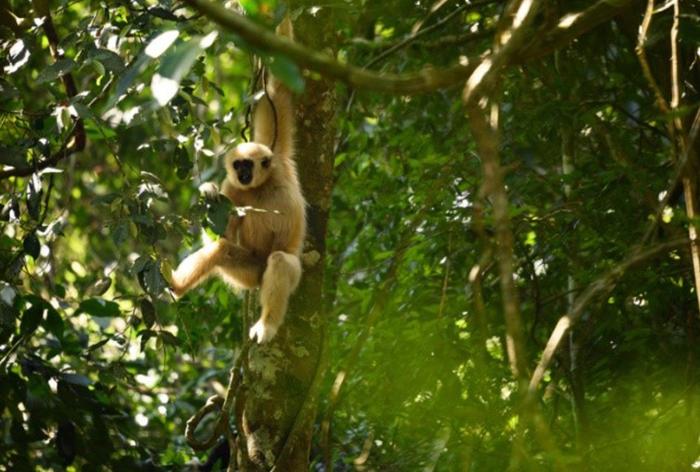
There’s plenty of wildlife in the park including gibbons, deer, bears, otters, macaques, as well as various species of reptiles and over 300 species of birds.
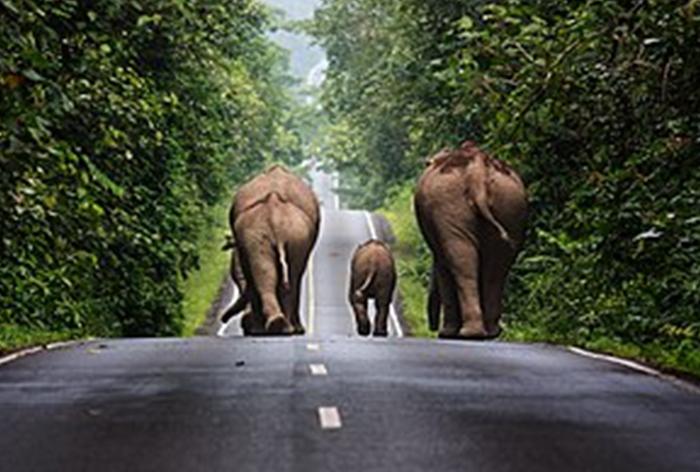
However, what makes this park special is that it’s one of the only places in Thailand where wild elephants can still be spotted roaming around.
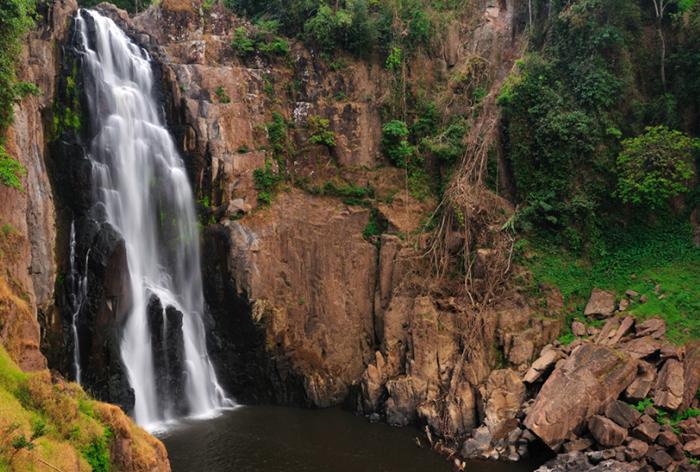
Another one of the park’s claims to fame are its two waterfalls; Heo Narok and Heo Suwat, which gained international fame after being showcased in the film The Beach. This is the spot where Leonardo DiCaprio’s character took the big plunge!
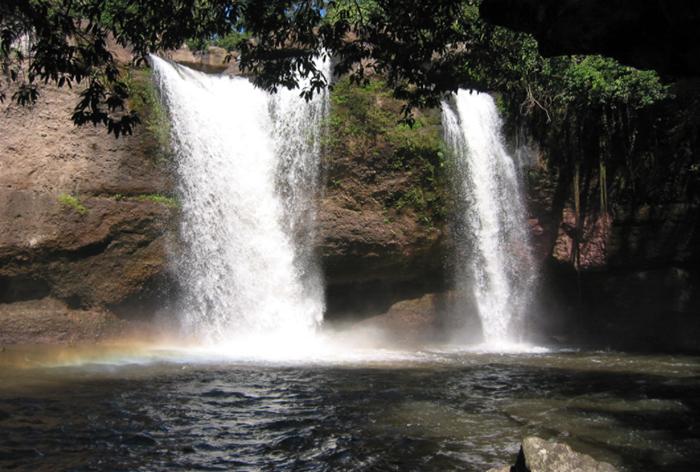
Khao Yai National Park offers guided day tours, safari-style tours, trekking, hiking, and much more. You can explore the park on your own or pick from multiple guided tour options varying in activities, sights, and length.
Distance from Bangkok: roughly 3 hours / 180 km northeast of Bangkok in Nakhon Ratchasima province
Highlights: Heo Narok and Neo Suwat waterfalls, Khao Luk Chang Cave bat exodus, Pha Diao Dai Viewpoint.
Tip: Visit during the week. Weekends and national and international holidays can get very busy. The park reports its busiest week of the year to be New Year’s Week - December 30th - January 3rd.
Koh Kret
When the city of Bangkok gets too overwhelming (and it will), there is a nearby escape that offers a genuine Thai experience without the big city intensity. Ko Kret is a man-made island created by the digging of a canal in 1722. The canal’s purpose was to create a shortcut to bypass a rather long bend in the Chao Phraya River.
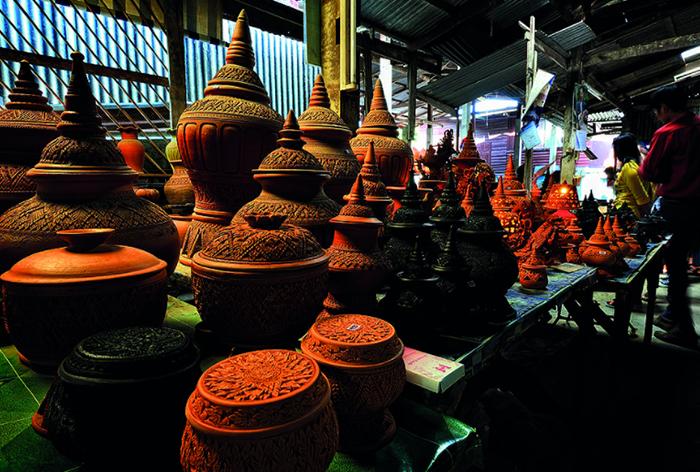
Today, Ko Kret still serves as a base for the Mon tribe, who are famous throughout Thailand for their hand-thrown terracotta pottery.
Ko Kret is not known for being over-touristy. The rural atmosphere and authentic culture are actually the island’s best features. If you’re looking for a genuine Thai street markets to do some shopping, then Ko Kret is your place.
Visit Wat Poramai Yikawat and admire the famous ‘leaning stupa’, the 200-foot white, dome-shaped shrine that has become the island’s landmark.
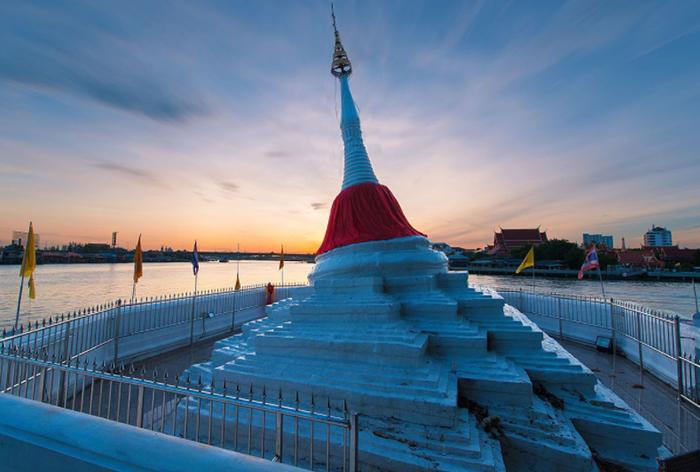
From the temple you can easily find shops where the famous terracotta pottery is made. It’s definitely worth buying one as a souvenir. They are sold all over Bangkok; however, you know you are getting the real deal if you buy from the source.
Don’t forget to try traditional Mon dishes like tort man nor galah (deep-fried vegetable, herb, and mushroom patties) and kanom jeen (various curries paired with fermented rice noodle). It may sound strange at first, but keep an open mind and you’re sure to be pleasantly surprised.
Try these and many others at the open-air food market in the north of the island.
Distance from Bangkok: 40 minutes \ 27 km north of the city center
Highlights: Wat Poramai Yikawat and the 200-foot tall leaning white stupa, terracotta pottery shops.
Tip: Rent a motorbike once you arrive on Ko Kret. The island is easy to navigate and quite small - it only takes about 45 minutes to make a full loop. Having your own transportation will allow you to pick which sites you want to visit and how long you want to stay.
When you visit Thailand, try not to limit yourself to the worn-down tourist track in Bangkok. It’s easy to get sucked into all the gimmicky tourist traps, and it’s even okay if you do. Just make sure you balance out your experience with some authenticity as well. While there are plenty of genuine ways to experience Thai culture in Bangkok, don’t forget about the possibility of getting out of the city for the day. These day trips from Bangkok will make your time in Thailand richer and more rewarding.