Bangkok Time is Fun Time: A First-Timer's Guide

Heading to the Land of Smiles known as Thailand? Let us take you to a step-by-step guide so you’ll only have fun fun fun in the country’s capital, Bangkok!
Tip 1: Pack for a tropical climate.
It’s not “un-hip” to be square in BKK. Bring an umbrella with you since it rains sometimes. You’re entering a tropical country, one where it’s mostly sunny, so be ready with your sunscreen, cap or visor, and sunglasses. Mosquito repellant lotion is also a good idea to bring with you. As for clothing, simple shirts and light pants are the way to go. But remember that some sacred temples won’t allow people inside if they’re wearing tank tops and short or skirts, so be prepared for that, in case you want to visit such places.
It’s a sure bet that you’ll also do a lot of walking here, especially when it’s shopping time, so comfy shoes should also be packed. It’s also okay to go around wearing just flip-flops or slippers; the locals won’t mind. Temples will also require you to remove your shoes upon entering anyway, so be ready with this fact, just in case, and know what type of footwear you’ll bring.
Tip 2: Their airport is your first best friend.
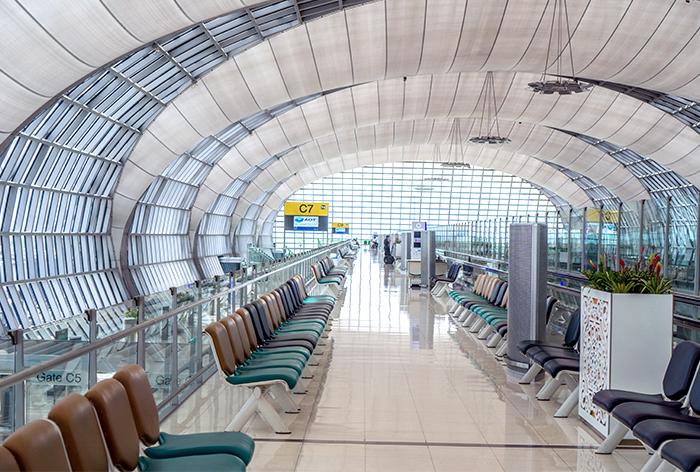
Suvarnabhumi Airport is the main international airport of Bangkok, and it’s also one of the busiest airport hubs in Southeast Asia. Many people who pass by here are also transit passengers, meaning they’re headed towards another area in Thailand or another country. Read the signs carefully (everything has English instructions) so you won’t get lost. And if you do, they have electronic maps situated all over, and you can easily navigate your way in this super spacious place.
Some travel guides will discourage you from exchanging your money into Thai Baht inside the airport. But Thais have made this really convenient, because legitimate banks have many small kiosks or counters all over the airport, so you can choose where to have your money changed from any of these big brand banks. While they’re also all over the city, this is one less hassle if you already have local currency before stepping out of the airport.
Thailand has one of the fastest internet connections in the region, so take advantage of it! Go to the floor (where you exit for the taxis) where they sell local SIM cards. Choose from their variety of mobile internet data packages according to your length of stay (there are 3/7/15/30-day SIM options ranging from 300-1000 Baht or 9-31 US dollars). Just hand them your phone and they’ll configure it in front of you. This way, you can Google your way within the city.
Tip 3: Getting around the local way or the high-tech way.
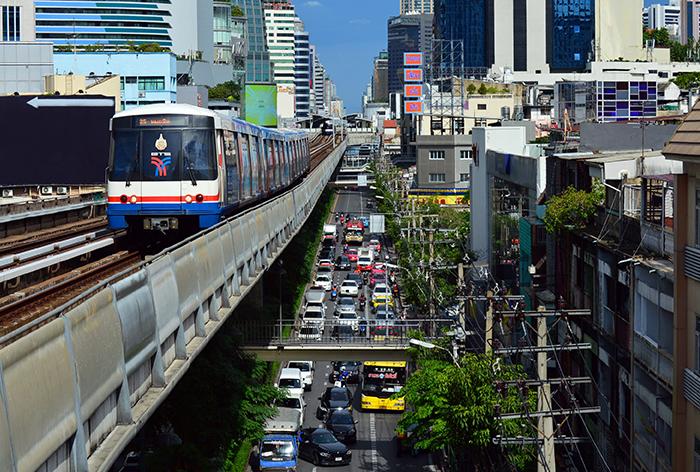
There’s a reason why you’re suggested to get mobile internet: you can order a local ride via apps like Uber or Grab here. If you’re used to these, going around the city will be such a breeze. But if you want to try the local taxis, always insist on getting a metered taxi ride. Some drivers will argue for a fixed price, but refuse that, always, point to the meter, and say that’s the only way you’ll ride. They should agree most of the time.
If you want a traffic-less commute (yep, Bangkok has humongous traffic problems, too), avail of the very organized railway system ride. There’s the BTS Skytrain and the MRT, and they have interconnecting platform exchanges if you need to transfer lines. If this is your plan, better buy the train card that’s accepted on all train platforms. Better than getting one ticket for each and every ride!
For posterity’s sake, go ahead and try riding a tuktuk at least once. These are small, motorized open-air rides that also have taxi signs on top of them. But be prepared to pay for higher rates, since they’ll always charge higher because they don’t have fixed fares, even if your ride will only last for a few minutes (yes, sometimes this is a scam, sadly).
Tip 4: What to do, see and sense!
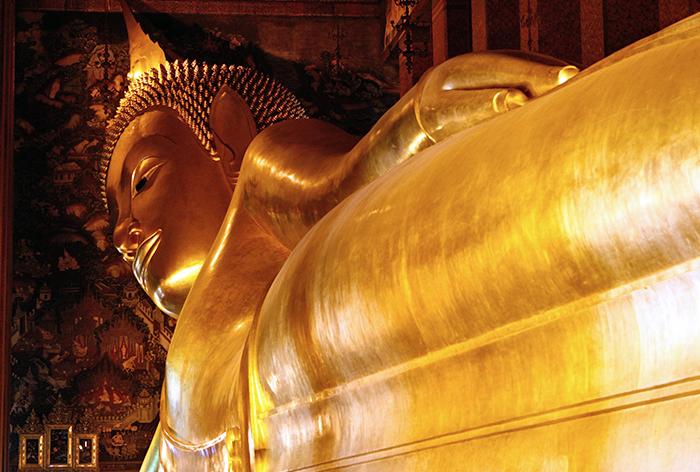
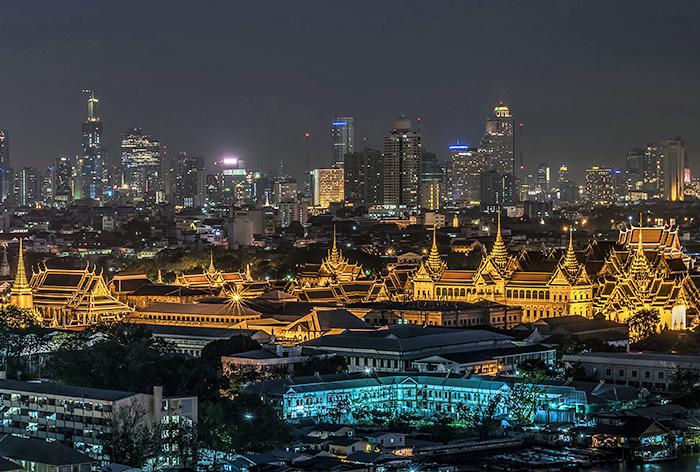
Bangkok’s charm lies in the diversity of its offerings. The moment you step on their land, you will be greeted with the most modern of technologies and infrastructures familiar to the western world. As you go further, you will get a feel of the old-world charm that is Siam, Thailand’s old name. Bangkok is full of structures called wat, meaning temples. The predominantly Buddhist country reflects this culture inside the various wat structures. Try visiting Wat Pho where the huge reclining Buddha is located, and visit the Grand Palace beside it, to see the royal splendor showcase of the country. Yes, Thailand is also a monarchy, so respect for their king will be evident all around, in tribute pictures or words of support erected all over the city.
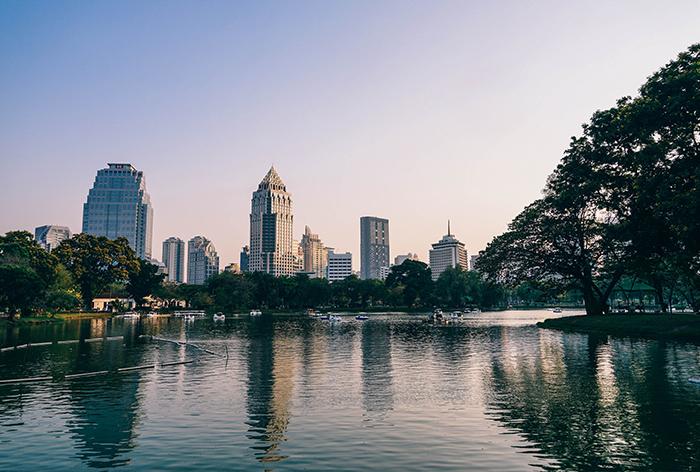
Nature lovers will also love hanging around riverside establishments in some areas; yes, there are certain rivers running throughout the city. You can try shopping at various floating markets, depending on which district you’re staying. If you like greenery, there are huge parks worth visiting such as Lumphini Park where you can have picnics or go biking and boat-riding in the lake.
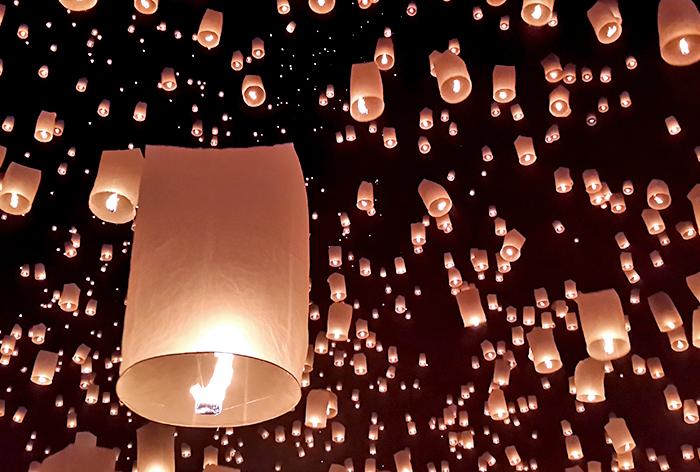
Check if your travel dates coincide with a festival, as Thailand celebrates many types. Their crazy-happy new year Songkran celebration every April 13 is a hoot if you experience it; just be prepared to get wet! A more solemn but still exciting one called Loi Krathong, which happens sometime in November (exact date depends on the lunar calendar each year), is also a sight to behold at night, since this festival of lights feature floating lanterns on the rivers or up in the night sky.
Tip 5: What to taste and feel!
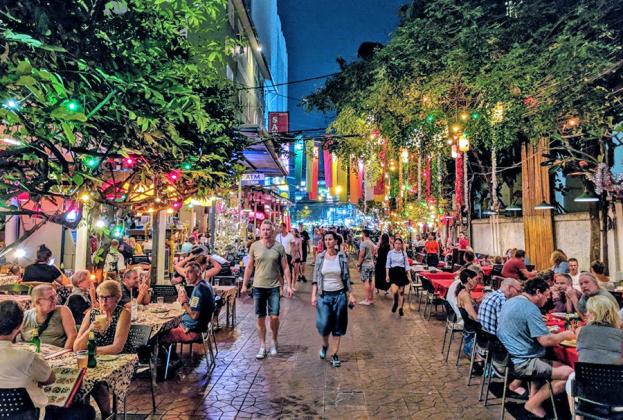
Fans of noodles, sausages, rice meals, barbecued meats/seafood, street food, and spicy dishes are always satisfied with what Bangkok’s cuisine has to offer. It’s also welcoming to vegans, since a lot of dishes are also vegetarian in composition. Remember that their default is spicy, so always ask for “not spicy” if you don’t want that.
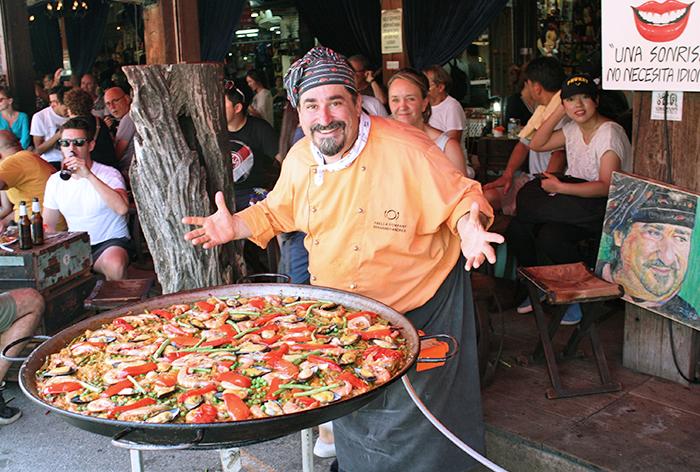
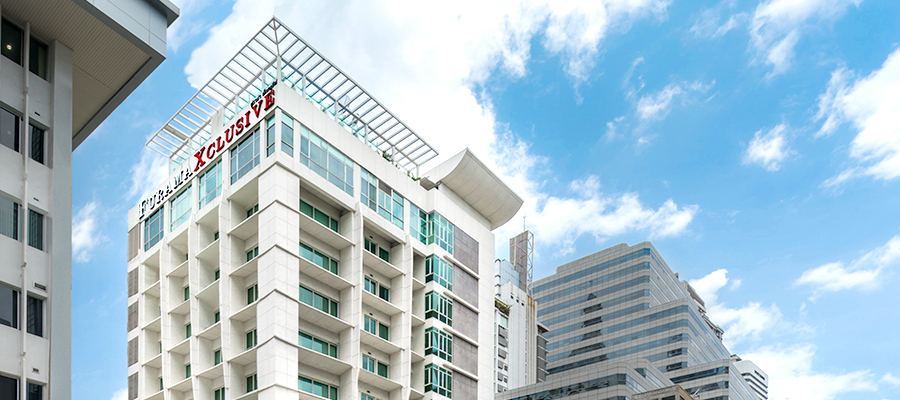
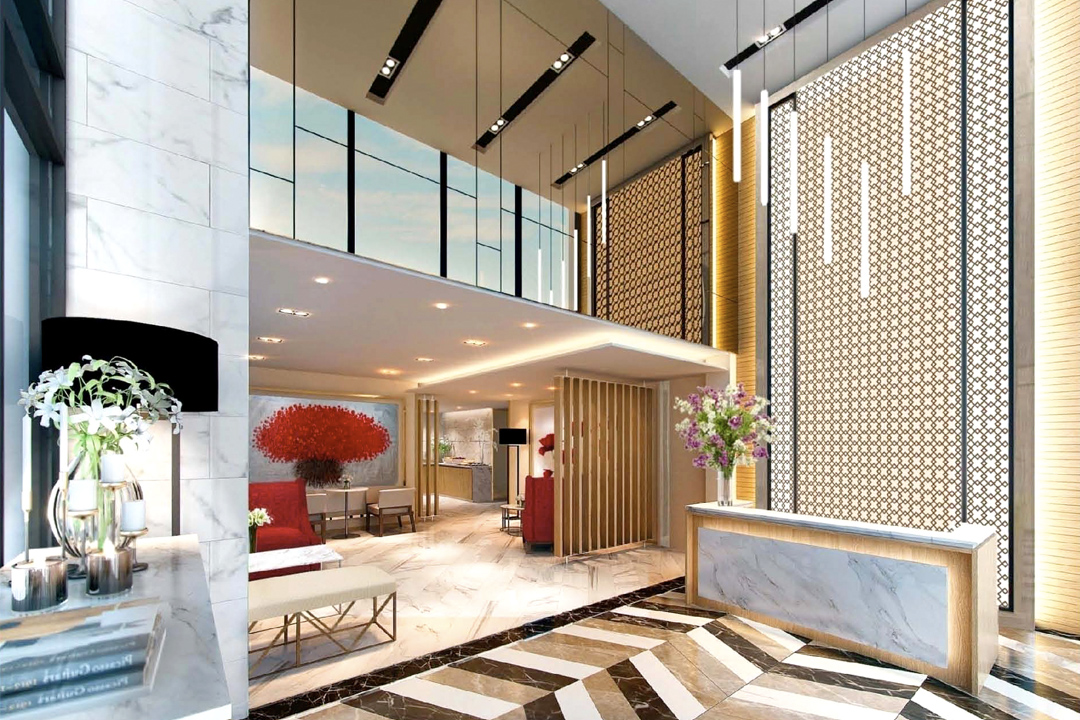
The best way to experience local cuisine is to eat where the locals dine. There are many small shops all over; however, most of the vendors don’t speak great English. To solve this, their menus also have pictures and English translations. Within huge shopping areas such as the famed Chatuchak Weekend Market, there are worthy eateries to try. Of course, fancier restaurants are also all over, as stand-alone establishments, located inside posh shopping malls such as Silom Complex or attached as amenities to hotels such as Furama Silom, where you can also have a drink at their rooftop bar, De Sky.