8 Must-Do’s In Rattanakosin: The Old Town of Bangkok
Rattanakosin is referred as Rattanakosin Island. However, it is not by any means an island like Phuket or Koh Samui. It is simply the old town of Bangkok that is surrounded by rivers such as the Chao Phraya River.
According to Wikipedia, the Rattanakosin Kingdom is the fourth kingdom of Thailand. It is also the present traditional center of power, which was founded in 1782 by King Rama I. Rattanakosin Island became an artificial island when canals were dug along the east side.
Do you know that some of Bangkok’s most popular tourist spots are located in Rattanakosin? Here are 8 must-do activities while you are in Bangkok:
Visit City Pillar Shrine
Don’t be an average visitor and overlook this, especially when it is FREE to enter! It is one of the most significant locations in Bangkok both culturally and historically. (Please dress respectfully)
Lak Muang is the Thai phrase for city pillar, which houses the city spirit deity (Chao Pho Lak Mueang). It can be found in almost every city in Thailand as it is part of the ancient traditions. It is believed that the pillar, made of acacia wood (tree of victory), will be the center of soul for the citizens.
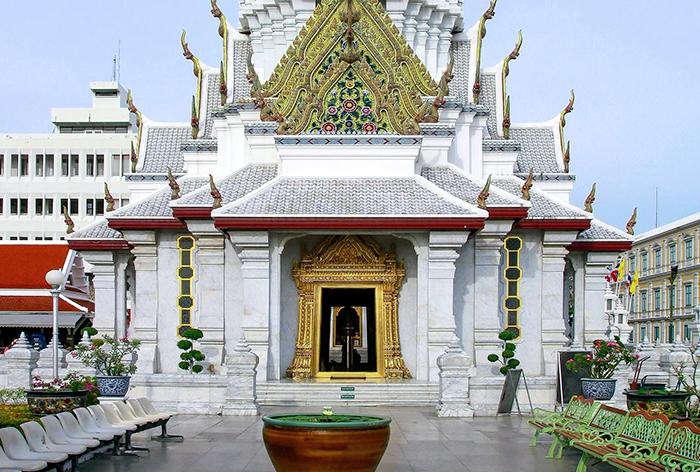
This city pillar shrine is Bangkok is known as San Lak Muang. It was built when Rattanakosin was to replace the old capital of Thonburi Kingdom during the reign of King Rama I. San Mak Luang was erected before the effort of building the city began. The shrine itself was remodeled based upon the shrine of Ayudhya and was completed in May 1853.
Additionally, it is said to be one of the oldest and magnificent city pillar shrines in the whole of Thailand. Some believe that if you take a bow and pay your respects here, you will be blessed in good fortune. Locals would usually use three sticks of incense to pay their respects.
San Lak Muang is located opposite the Grand Palace and Wat Phra Kaew. Thus, be sure to pay it a visit while you are on your way to the Grand Palace. To be more exact about its location, the city pillar shrine is adjacent to the Defence Ministry (where Na Phra Lan Road intersects with Sanam Chai Road).
Visit The Grand Palace
If you are into history and Thai culture, The Grand Palace is a must-visit no matter how long you have in Bangkok. However, entrance fee for foreigners will set you back at 500 baht per person.
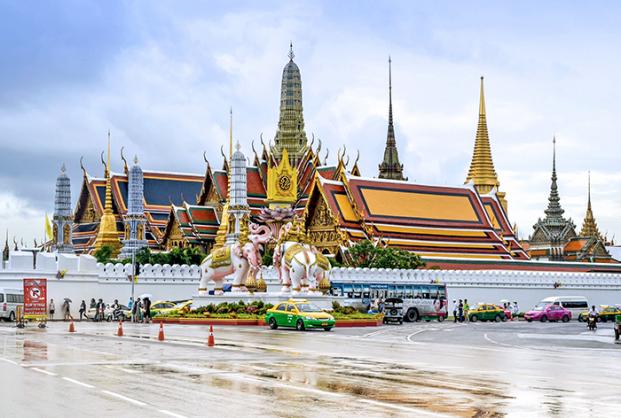
Located in the heart of Bangkok, this complex of buildings has been the official residence of the Kings of Thailand from 1782–1925. The Grand Palace is still used for official events in this era.
It is one of the most popular tourist attractions in Thailand for some very good reasons. One of the main reasons is the grandeur of its construction and architecture. The palace complex has a combined area of 218,400 square meters (2,351,000 sq ft) and is surrounded by walls. It’s is strategically located by the river banks of Chao Phraya, at the heart of Rattanakosin Island. While its layout is based on the architecture of the old Royal Palace that was built and destroyed in Ayutthaya.
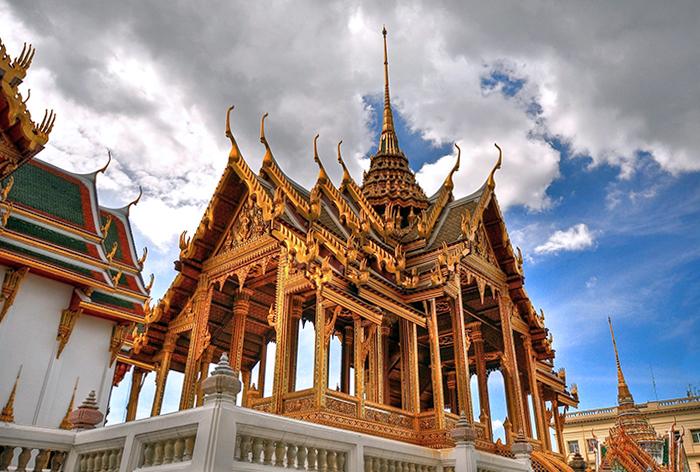
Be awed by the splendor of The Royal Pantheon
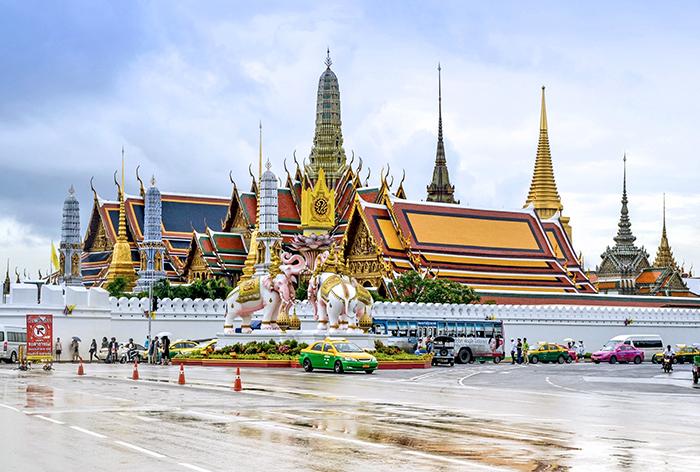
The Grand Palace is separated into 4 main courts: Outer Court, Middle Court, Inner Court, and the Temple of the Emerald Buddha. The Temple of Emerald Buddha is known as Wat Phra Kaew and is definitely different from the rest of the temples in Thailand. It is regarded as the most sacred Buddhist temple in Thailand as it is said that the Emerald Buddha would bring prosperity and pre-eminence to the country which it resides.
The Emerald Buddha is a dark green statue that stands at about 66 centimeter that was carved from a single jade stone. Emerald in Thai refers to the dark green colour rather than the type of stone. No one except for the Thai King and, in his absence, the Crown Prince, is allowed to touch the statue.
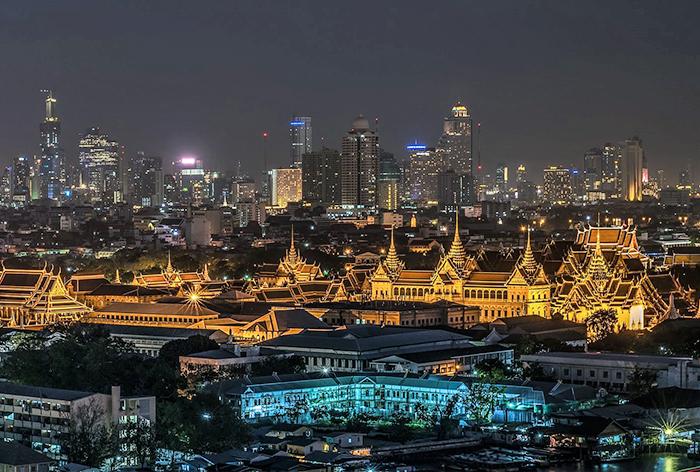
Each part of the Royal Pantheon is handcrafted and hand-painted. Its architecture’s intricacy and colors are second to none in the country. In my most humble opinion, not even the Grand Palace can compete with its beauty. There is a free English guided tour in the morning. It is best to confirm the timing when you purchase your ticket.
It is ideal to visit the Grand Palace, the Royal Pantheon, and the city pillar shrine all on the same day. However, be ready to not have any peace since these are major tourist attractions in Bangkok (It is still worth every single moment despite the crowd). Best to bring a bottle of water before heading to these attractions.
Go shopping at Phahurat Wholesale Market
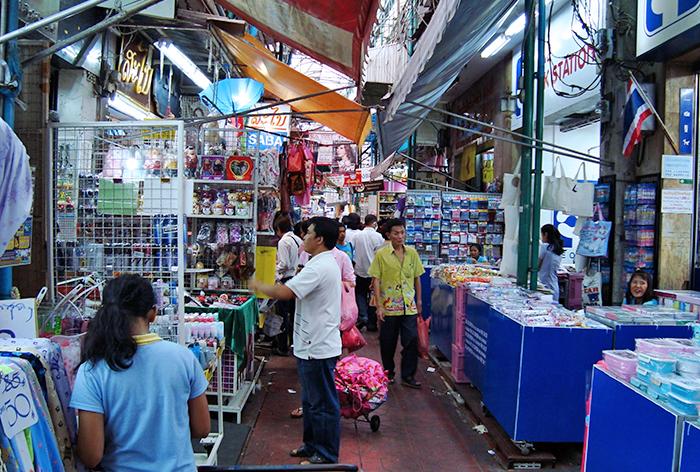
Phahurat Market or also known as Little India is well-known for its huge selection of textiles at affordable prices. It cost about 100 baht for 1 Chinese foot (33.33cm)! It’s a great deal! P/S: Buy your own fabric and find a tailor to get the cheapest and best suits made in Bangkok.
Other than shopping for fabrics, visitors can enjoy the beautiful and colorful buildings of Little India. It is a treasure spot for those who are interested in old city kind of photography. Photography enthusiasts will be immersed by the beauty of this unique little town.
Since it is called Little India, you will definitely find awesome Indian dishes here. It is rather hard to find proper Indian food in Thailand. However, Little India is the right place for you to look if you are craving for some authentic taste of India. Do check out the food court in Indian Emporium for a wide variation of Indian delights.
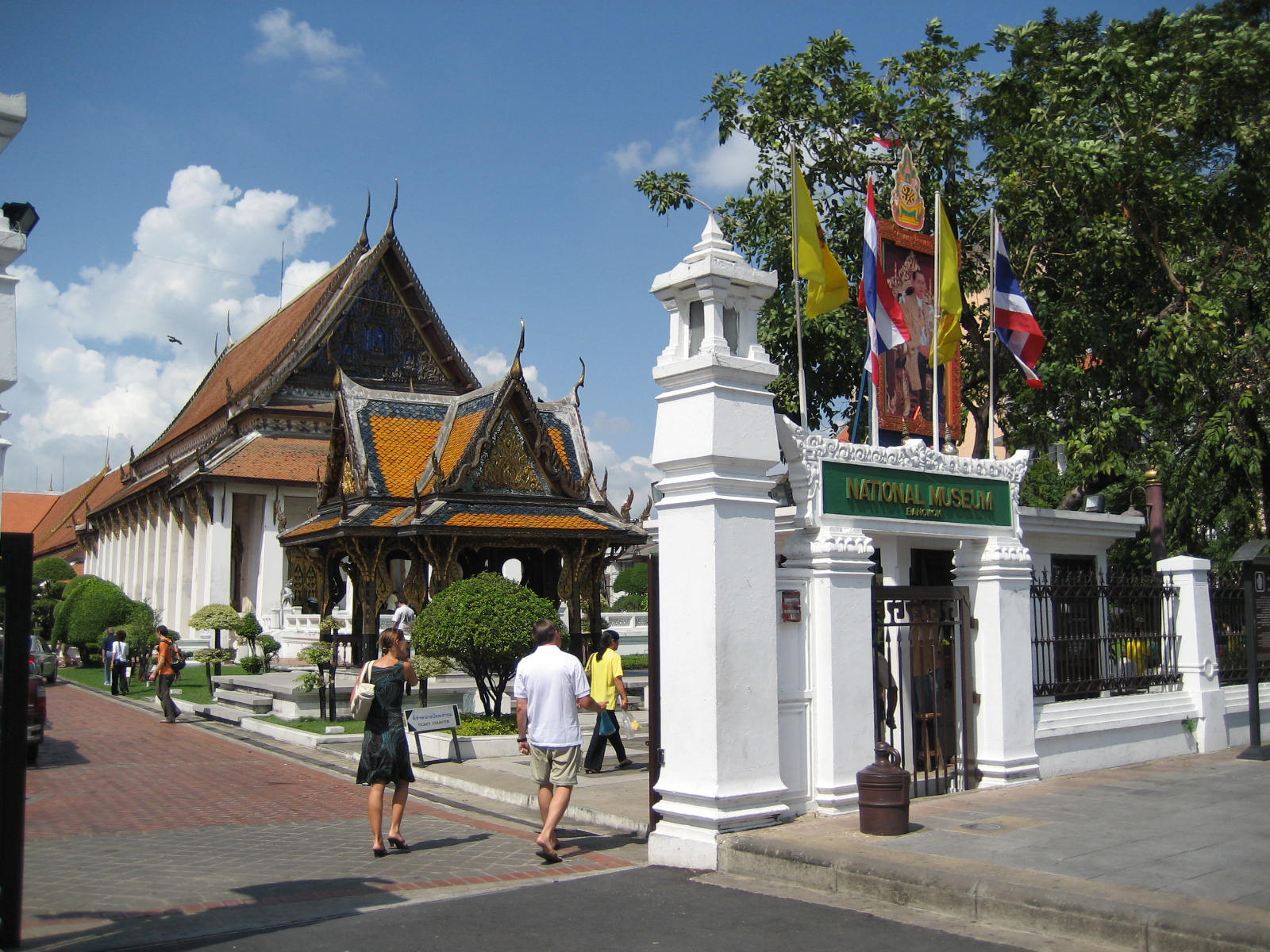
Visit Bangkok National Museum
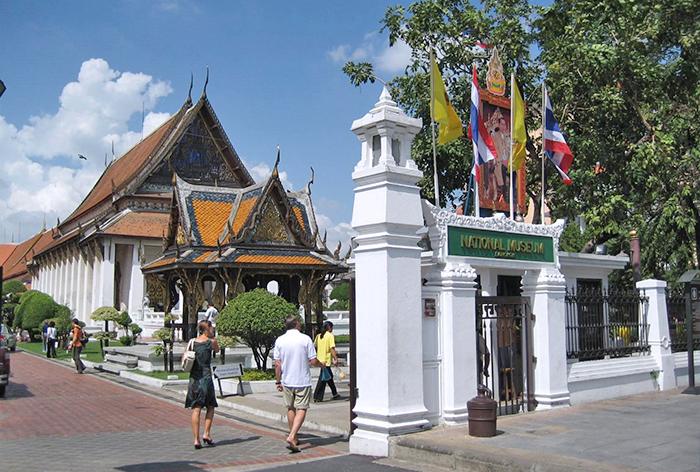
Among all the museums in Thailand, the Bangkok National Museum is most definitely the go-to museum. It is not just the main branch of museums in Thailand, it is one of the largest museums in Southeast Asia.
The admission for the museum is at 200 baht for foreigners. Volunteers at the museum offer foreign language tours at 9:30am on Wednesdays and Thursdays only. These free guided tours are held in English, German, French, and Japanese. The museum's opening hours are from 9:00am to 4:00pm on Wednesdays to Sundays, except on public holidays.
The museum exhibits an extension of relics from the rule of King Rama IV to exhibits of Thai history back to Neolithic times in the Siwamokhaphiman Hall. One of the main showcases here is the The Ram Khamhaeng Inscription, which was inscribed on UNESCO’s Memory of The World Programme Register in 2003. You will find Thai artifacts dated from Dvaravati, Srivijaya, Sukhothai to Ayutthaya periods here. Additionally, the museum displays a wide range of regional Asian Buddhist arts.
Take a stroll and work out in nature at Saranrom Park
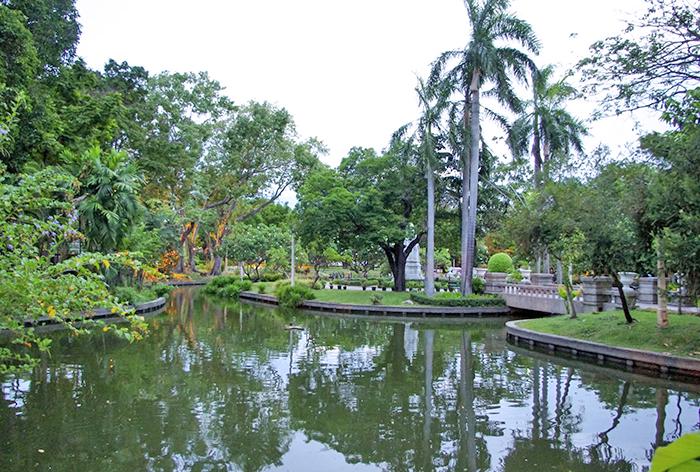
Rather than being a tourist attraction, Saranrom Park is where locals go for their morning and evening walks. It is a park where you will find both young and old Thais working out in. Thus, it is a great place for people watching.
People watching allows a foreigner to learn about the locals from far without disturbing anyone. It is an interesting way to see how people interact with one another. Possibly the best thing to do while trying to digest all the food that you have gulped down your belly from your Bangkok trip.
Saranrom Park used to be a part of the Saranrom Palace but was later on donated for public use. The original statues and ponds are kept intact. You will find plenty of interesting plants and wildlife as you explore the park as it is a very well kept park. It is a great place to relax and picnic if you would like to have some escape time from the hustle and bustle of the city.
Visit Chinatown
Before Bangkok became the capital city of Thailand, the eastern bank of Chao Phraya was where the Chinese and Vietnamese immigrants settled down in.
Things changed when King Rama I established himself as the king of Thailand. He relocated the settlers to the area between Wat Sam Pluem and Wat Sampeng. Today, this area is known as the Chinatown of Bangkok city.
Chinatown in this new era has become a good place to look for local Thai-Chinese delicacies. Vegetarians and vegans can easily find their meals here at affordable prices too. Each meal will cost under 100 baht for a single dish.
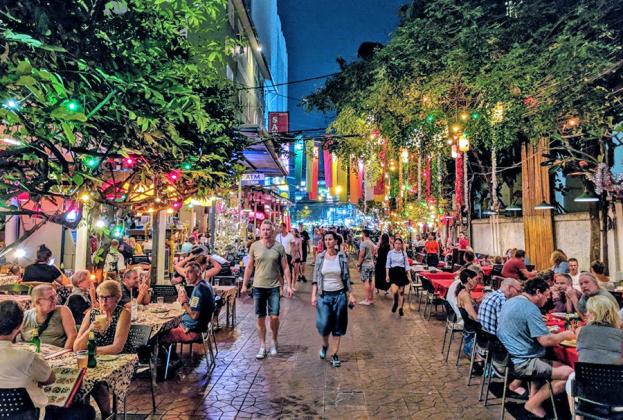
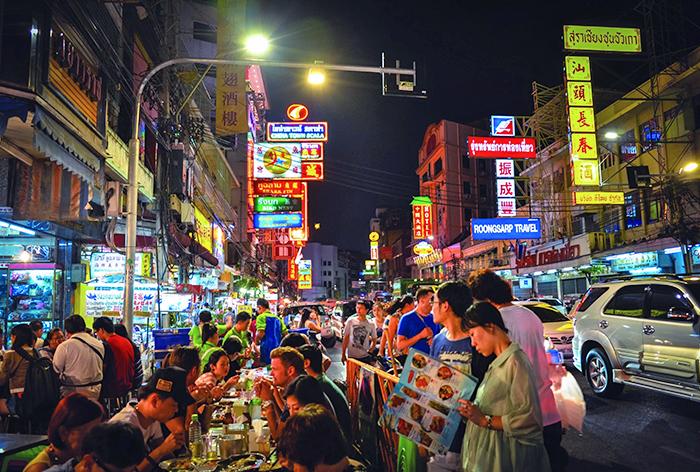
Some other things that one must do in Chinatown is to visit Yaowarat at night to enjoy the night scene here. You will find pubs, restaurants, and lots of local food and clothing stalls by the roads. If you are the type who enjoys a crowded street but would still like to enjoy some drinks, you can enjoy a great night out at the Grand China Princess revolving rooftop bar! Drinks are slightly pricier but, the view is worth it all.
Fall back in time at the Old Fort (Pom Mahakan) and its village
Mahakan Fort is located next to Wat Ratchanatdaram. Built in the late 18th century, it is one of the only two remaining fortresses (originally 14 forts) of medieval Bangkok. This fort runs about 200 meters along Maha Chai Road. Thus, making it one of the must-visits in Rattanakosin due to its historical background.
Currently, the fort is closed for visitations but visitors can still view the fort from the across the main street. The octagonal fort is picturesque and is a rare site in Bangkok while en route to Golden Mount. However, what is more interesting about the fort is the community surrounding it.
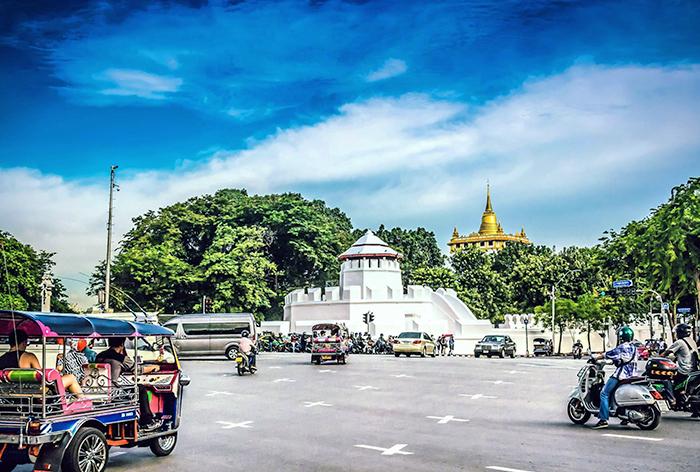
According to a local online news portal, Khao Sod English, a Harvard anthropologist, Michael Herzfeld, defended the small community around Pom Mahakan from force eviction by Bangkok municipal government’s plan to demolish their houses to create a ‘tourist’ park. Some parts of the community were demolished by 2016. The demolition has now come to a standstill but bear in mind, that demolition works may continue anytime. Thus, it is best to visit before further demolition is carried out.
This small community has a previous record of criminal activities including drug trafficking. However those days are now well over and the community had proposed the area to be a Living Heritage Museum. According to Lonely Planet, visitors are welcome to climb the ramparts and walk to the far end, where stairs lead down into the village. Be advised that the climbing of ramparts are not suitable for children.
Click here to watch a video of the Pom Mahakan community on Vimeo.